
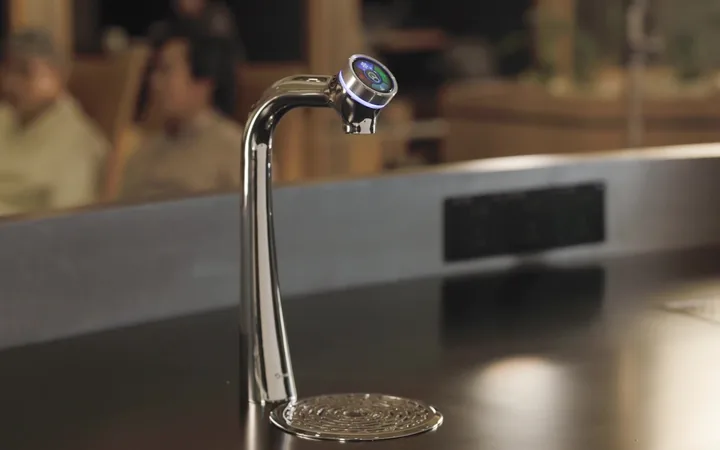
How Much Chilled Water Does Your Busiest Half Hour Need?
Forty-five 200 mL pours in 15 minutes take 9 L of cold sparkling water. Size demand from the service window, then check what the machine can deliver through the rush.
Read the articleFOR HOSPITALITY, OPERATIONS & PROJECT TEAMS
Understand demand, compare costs and prepare your space. Practical guidance for the decisions that come before equipment.
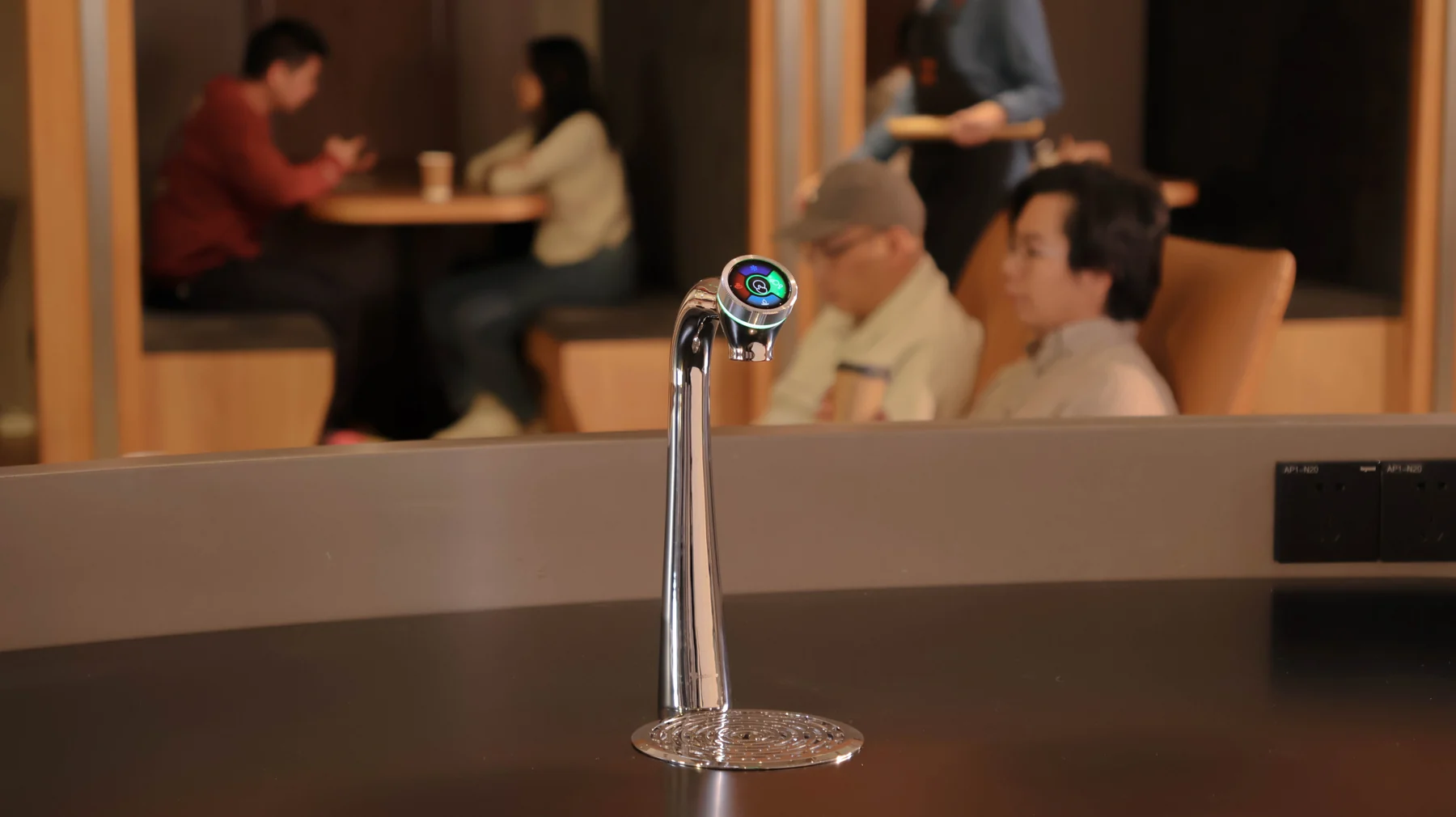
Practical reading to help you ask the right questions and compare your options.
Forty-five 200 mL pours in 15 minutes take 9 L of cold sparkling water. Size demand from the service window, then check what the machine can deliver through the rush.
Read the article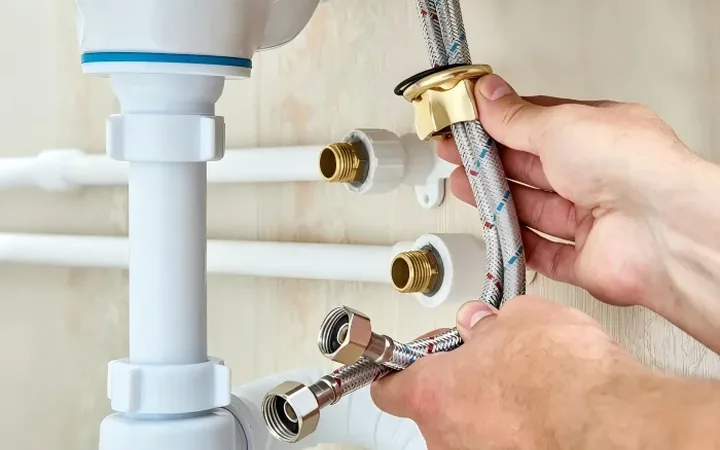
Compare two systems on the same service and the same term. A university contract shows why a bottle price and a monthly equipment fee belong in different rows.
Read the article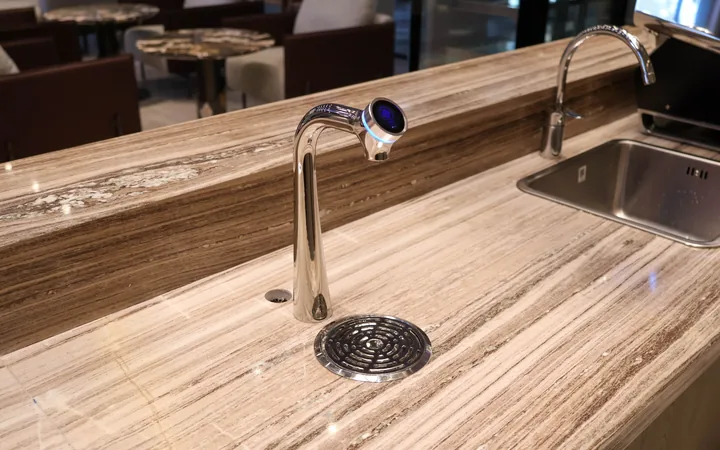
Get the drawing for the exact unit, then check the installed cabinet, power, water and drain against it. A 420 mm opening is wider than the chassis and narrower than the installation drawing requires.
Read the article
Follow the G1DS-110 from the water and CO₂ connections to the glass. Its 3 vol carbonation, 1.5 L/min maximum pour and 20 L/h chilled-water rating describe separate things.
Read the articleForty-five 200 mL pours in 15 minutes take 9 L of cold sparkling water. Size demand from the service window, then check what the machine can deliver through the rush.
Read the article
Order the gas service alongside the dispenser. Get the exact cylinder and regulator combination accepted by your equipment supplier and the local exchange service, then set the reorder point from the bar’s own use.
Read the article
Give each task a trigger and an owner. Before reopening the station, check the serviced parts, test it under normal use and hand over the result to the next shift.
Read the articleGet the drawing for the exact unit, then check the installed cabinet, power, water and drain against it. A 420 mm opening is wider than the chassis and narrower than the installation drawing requires.
Read the article
Compare the item on your quote with the issuing body’s current listing. Here’s what to do when you find a family code, an old certificate cover or paperwork for just one part.
Read the articleCompare two systems on the same service and the same term. A university contract shows why a bottle price and a monthly equipment fee belong in different rows.
Read the article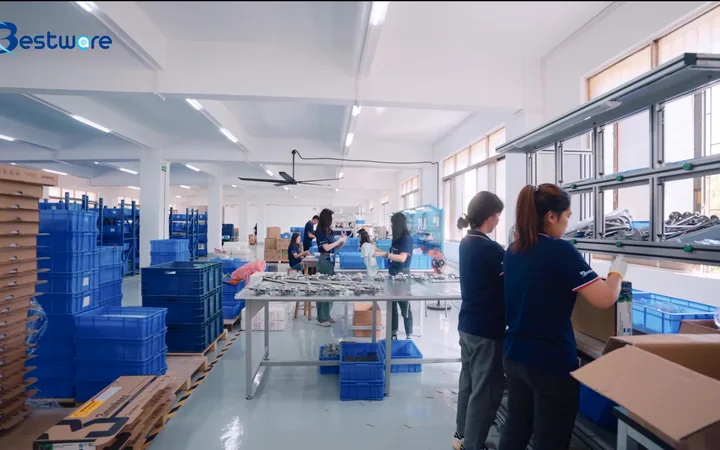
Give the supplier five things before asking for a quote. Carry the same drawing, sample approval and packaging revision into production and the next order.
Read the article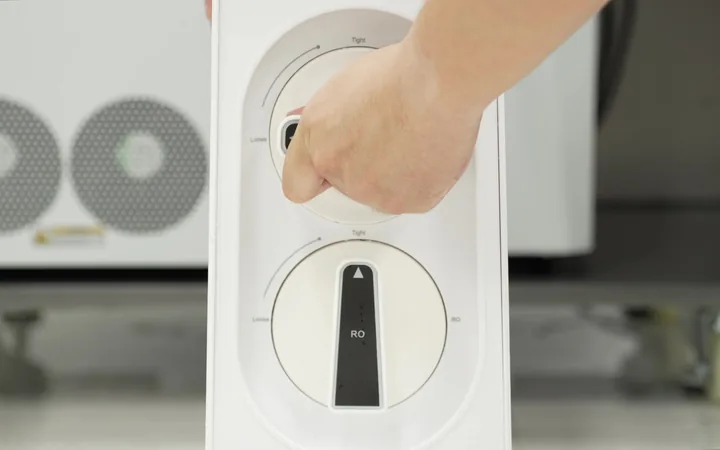
Set one reorder point for each cartridge and a separate one for beverage gas. Start with the parts actually installed, then put the next change date and the promised delivery date on the same calendar.
Read the article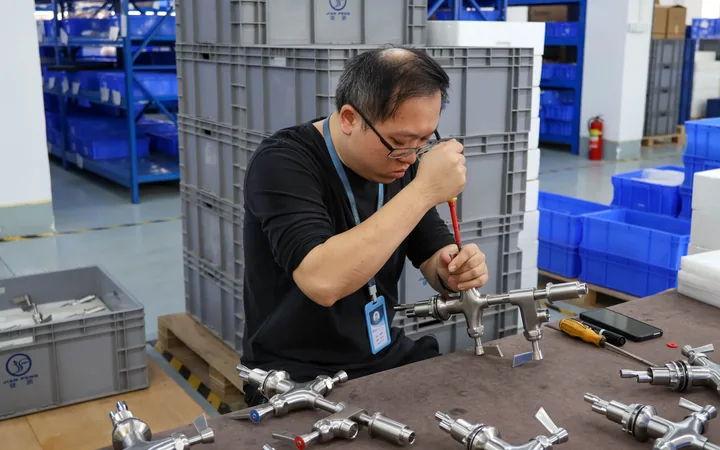
Ask for one drawing that shows what sits under the counter, what connects to the tap and what each supplier will deliver. Then compare the two layouts on your own cabinet.
Read the article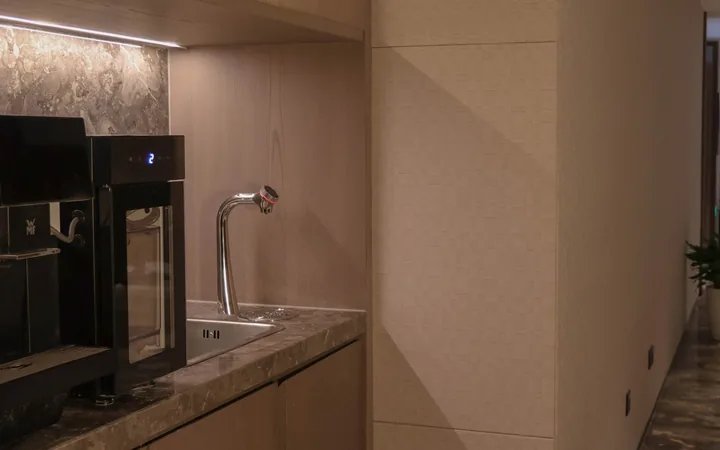
Choose a place people can reach during a break, with room to fill a bottle and for someone else to walk past. Compare two possible spots before the counter is cut.
Read the article
Choose bottled delivery when receiving, cold storage and replenishment can keep up with service. Choose on-site dispensing when the water connection, peak output and maintenance coverage are in place. Compare both at the point where someone actually gets a glass of water.
Read the article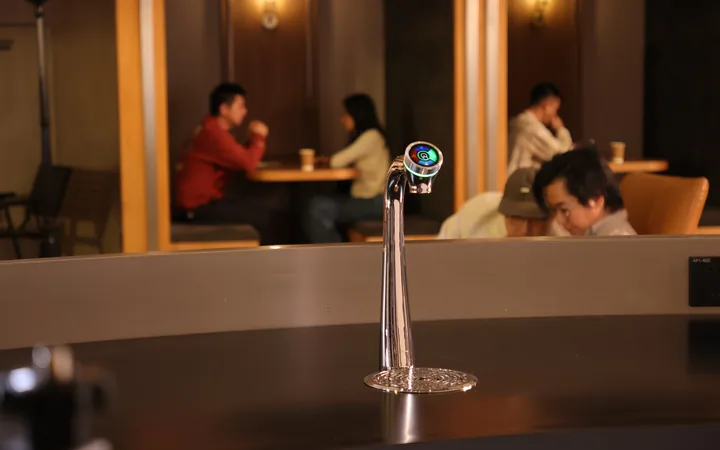
Check plain sparkling water at the tap and the finished drink at handoff. That comparison tells you whether to start with the station, the recipe or the way the drink is served.
Read the article
Divide the cost of providing the water over a documented period by the standard servings that actually reach guests. Count refills and included water, then check how the result changes in a quieter period.
Read the article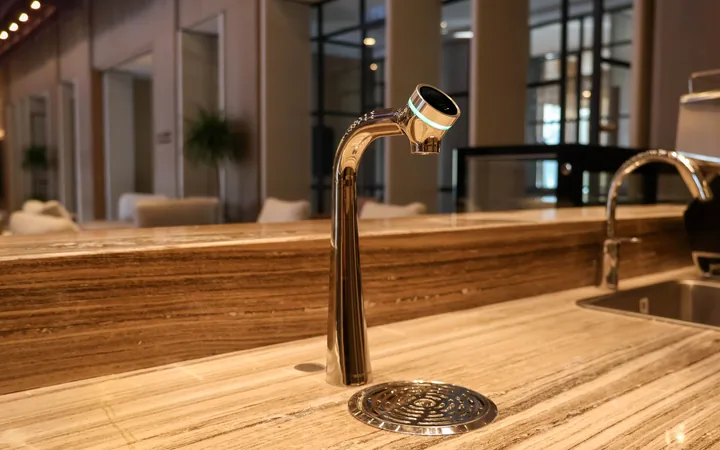
Measure the breakfast rush, count the room bottles that are ready to go and work out where guests get drinking water during an outage.
Read the article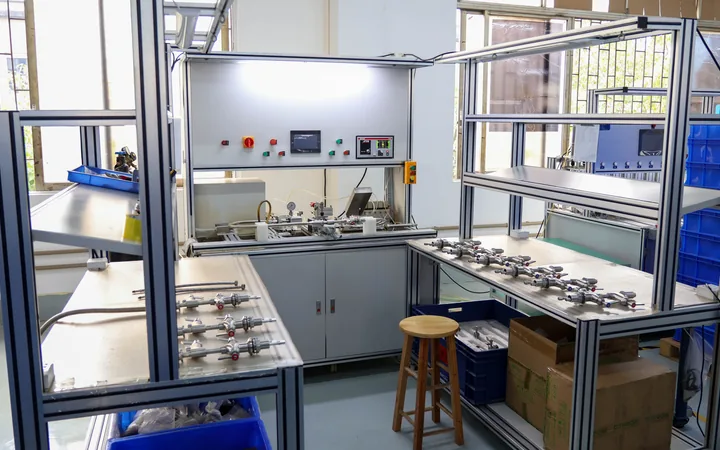
Start with the inlet water and the job at the counter. A single cartridge may be enough, provided the fitted system still delivers the water you need at peak service.
Read the article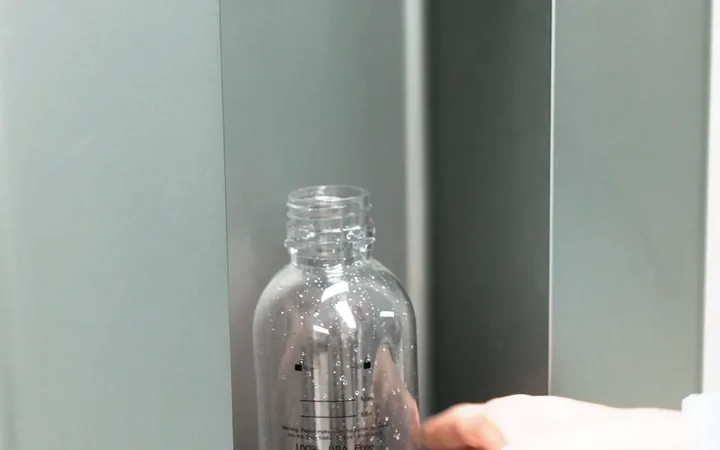
Give guest-owned bottles their own refill procedure. For bottles you take back, count only complete sets that have passed your checks and returned to the clean shelf.
Read the article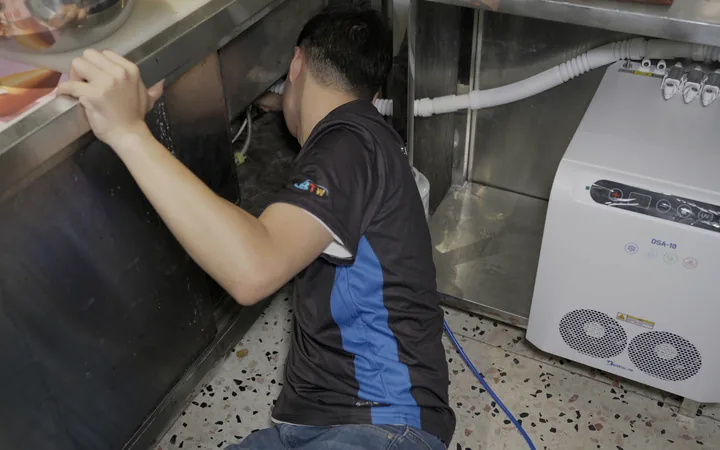
Size the cabinet for the full order, line up the exhaust with the door grille and run the agreed serving test with the finished cabinet closed.
Read the article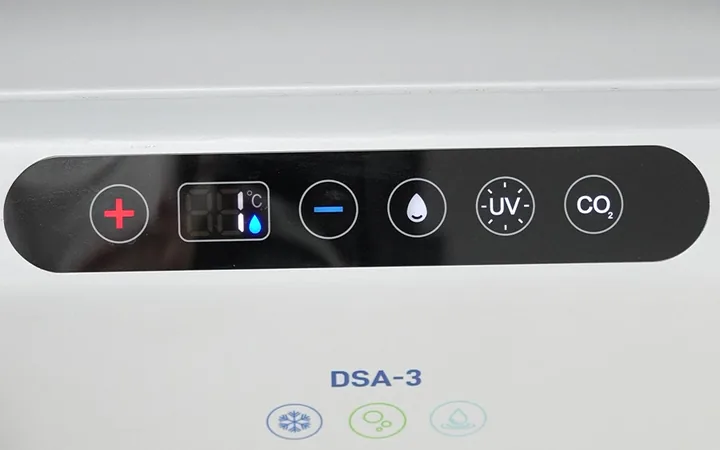
Use an approved building feed where it fits. A delivered bottle or a refillable tank can serve another room if someone can replenish it and it can cover the actual rush.
Read the article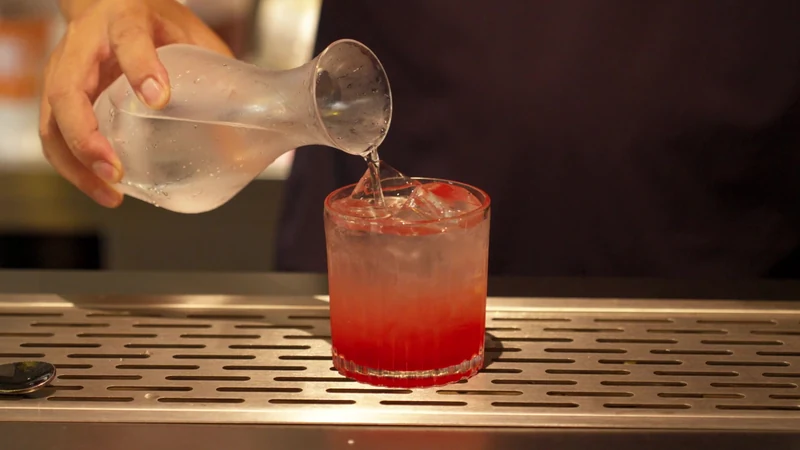
Choose plain sparkling water or seltzer for bubbles alone, club soda if you want its added minerals, and tonic if the drink calls for quinine bitterness and usually a sweetener.
Read the article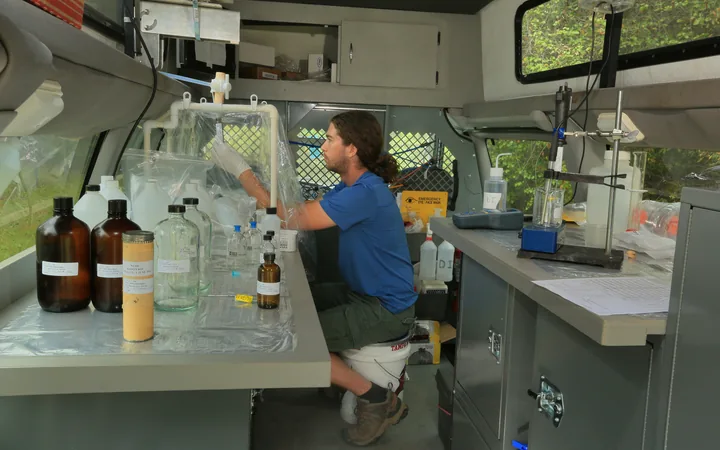
Read the water name, source and treatment separately. Here is what each can tell a buyer, and when to ask for the lot or tap report.
Read the article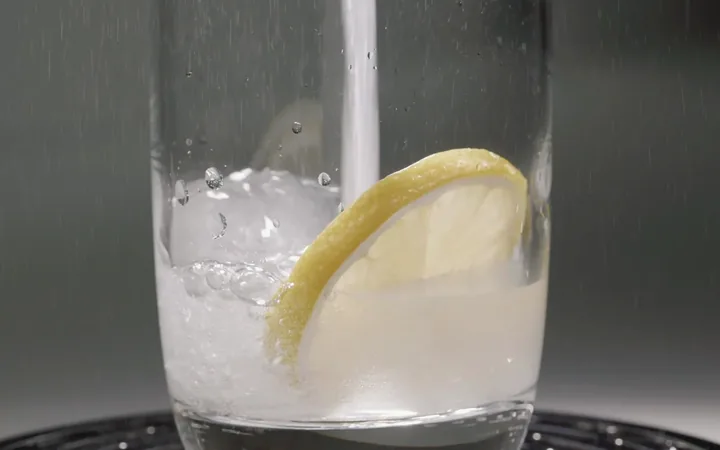
Cold water can hold more dissolved CO₂ at the same partial pressure. A bottle, a supply gauge and a sample from the tap each answer a different question.
Read the article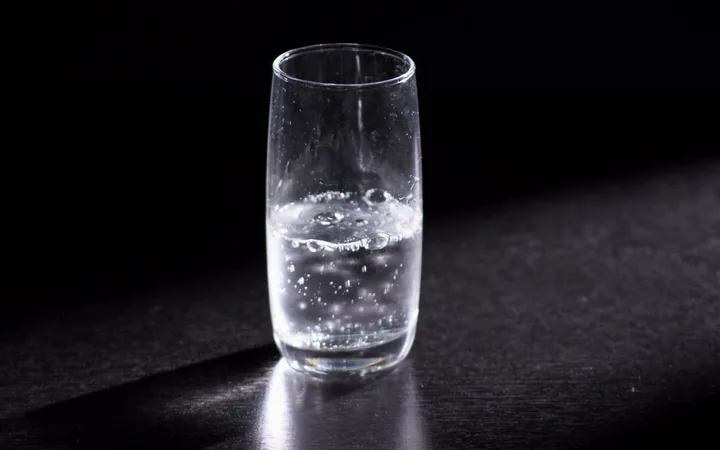
Compare the first pour and the moment a guest drinks it. Record dissolved CO₂ with the units and method, then keep tasting notes in a separate column.
Read the article
A tiny pocket of gas can send up bubble after bubble. Here is how to spot it, compare two glasses and tell a display difference from a change in dissolved CO₂.
Read the article
Put the cap back on between pours and return the bottle to the refrigerator. For service spread across a shift, plan when you will open the next bottle as well as how much water you need.
Read the article
Plain sparkling water can be your glass of water at lunch. Here’s how to tell what’s in the can, what a café poured and what a four-hour study actually measured.
Read the article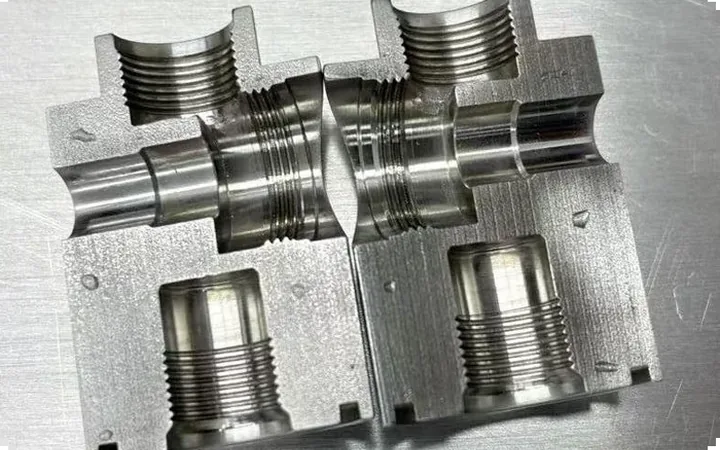
A 1772 booklet, a glass marble and an 1899 counter explain how people made the bubbles, kept them in the container and served the next glass.
Read the article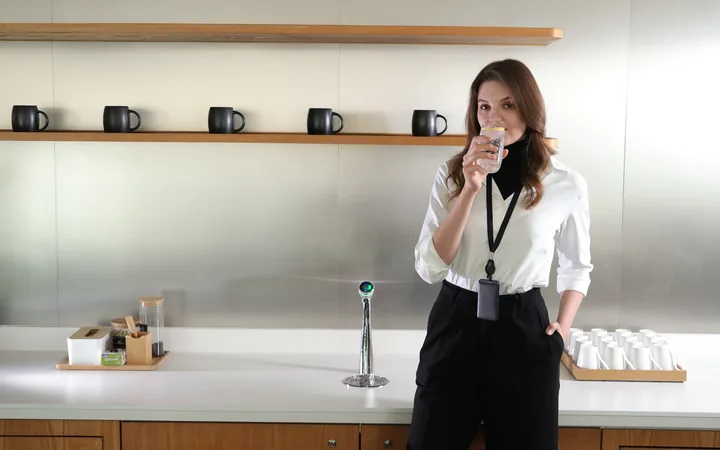
Minerals, serving temperature and dissolved CO₂ change what you feel in a glass. Use a two-cup tasting to tell them apart and check water safety through the local report.
Read the article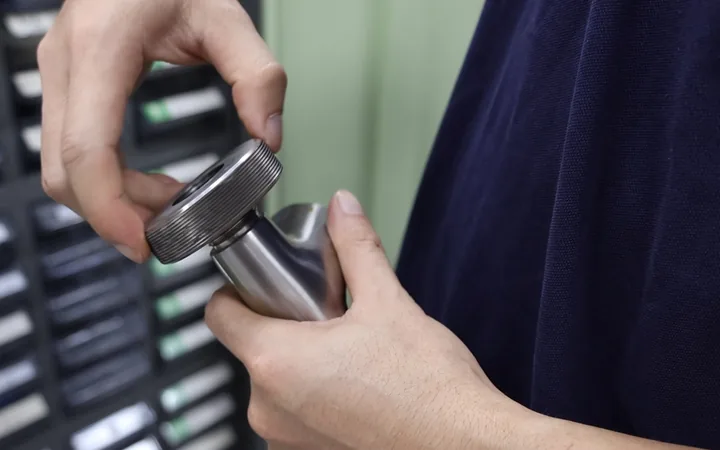
Give every bidder the same serving schedule, cabinet drawing and sign-off test. Then compare the price for putting the system to work.
Read the article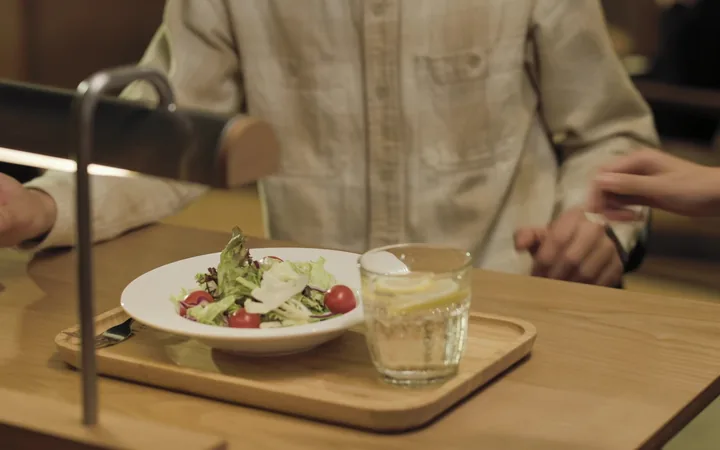
Count the cold bottles you can start with and the glasses you can hand over in the busiest few minutes. Then run the same orders a second time.
Read the article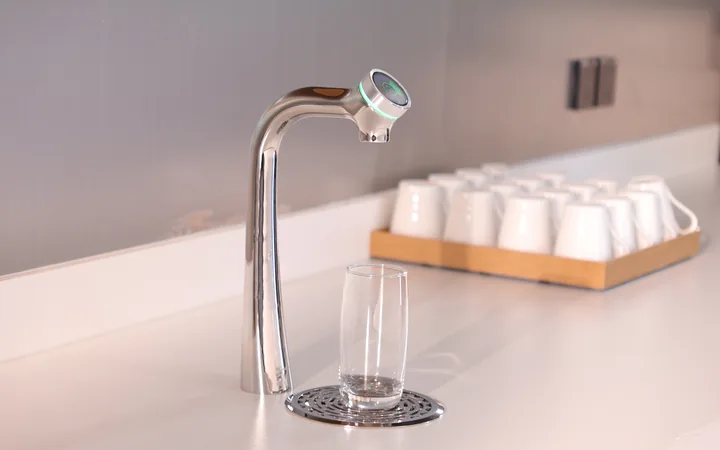
Compare the space people use, the equipment you are actually ordering and the route a technician will need to service it.
Read the article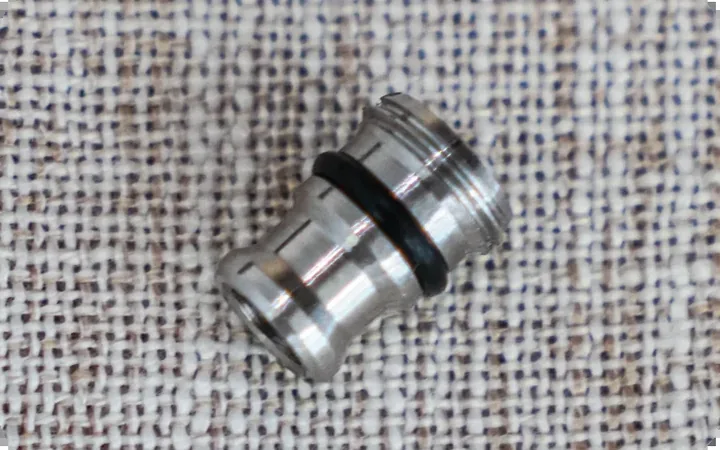
Divide recurring gas cost by the liters that reached guests. A real cylinder test and a worked bar example show where the label, yield and bill come apart.
Read the article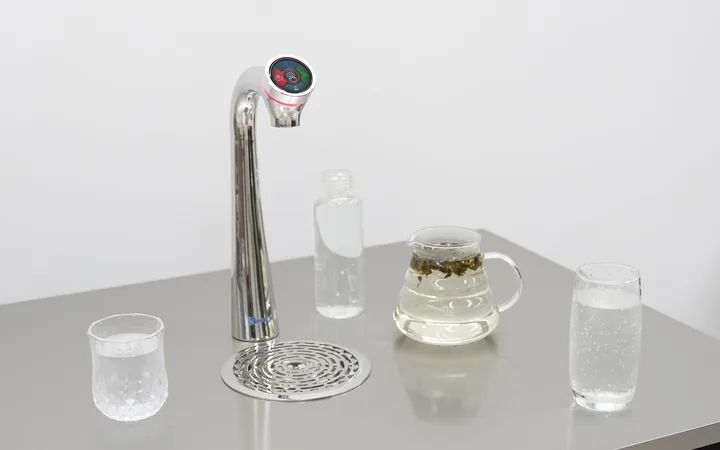
Decide who fills each vessel during the rush, then run the same mixed orders at one tap and at separate service points before choosing a layout.
Read the article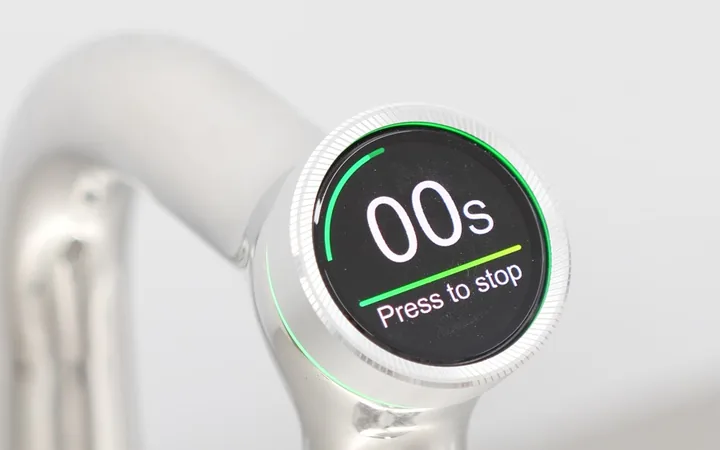
Try a small top-up and a full carafe before choosing a lever, button or sensor. Check how each pour starts, what happens when you stop it early and whether a new user can tell.
Read the article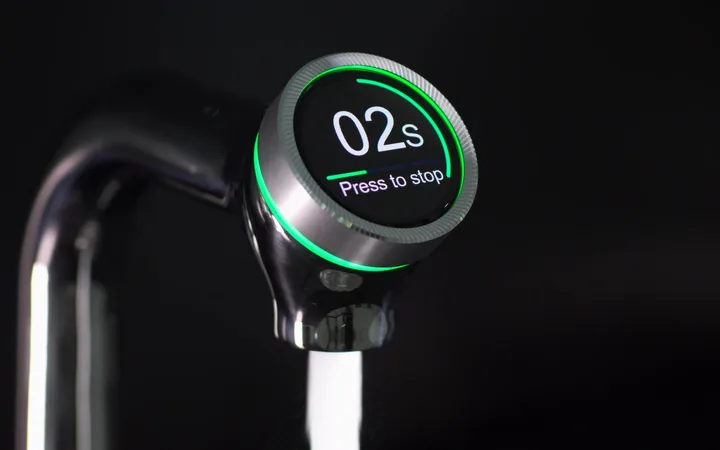
Find out what stops the pour, then measure each serving in grams or milliliters through a run and after a pause.
Read the article
Compare two quotes by what the technician will do, when drinking water will be available again and which charges land on your invoice.
Read the article
Walk through a round of service, then check the tap, the cabinet and the space you will need for maintenance.
Read the article
Measure the supply at the connection the dispenser will use, with the neighboring fixtures drawing water. Use those readings to find the likely restriction and to ask the supplier for a test you can repeat.
Read the article
Bring your tallest bottle, check the fitted tap and time a mixed restaurant order from the first empty vessel to the last one handed over.
Read the article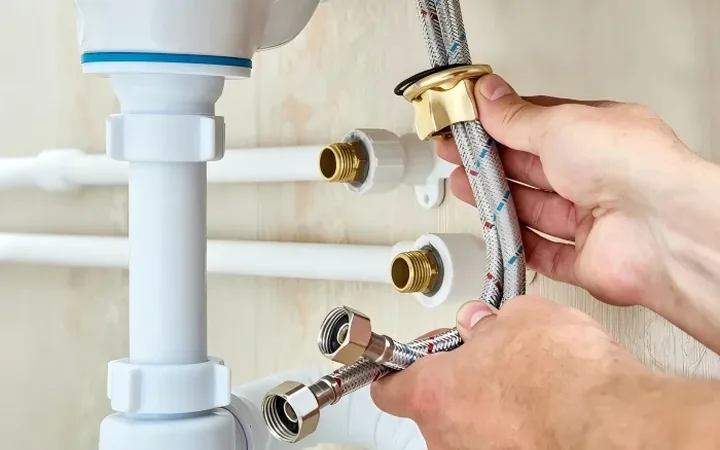
Sign for delivery, then verify the installed system against the way your venue actually serves water. Use this handover checklist to assign the work, record a peak test and check the first week.
Read the article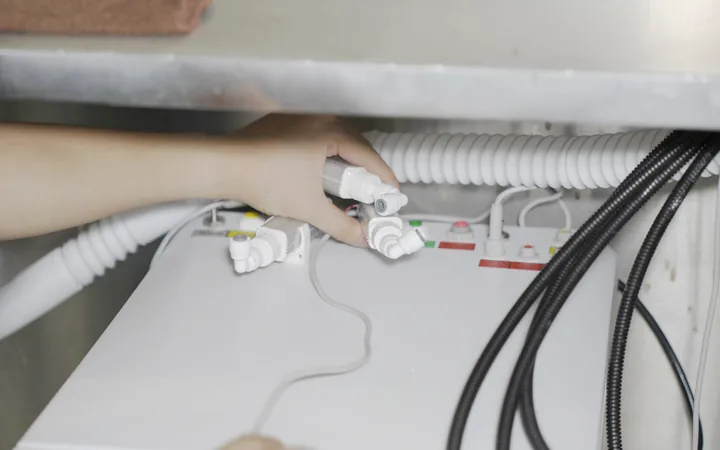
Check what goes with the machine, approve the new counter and keep drinking water available until the new station passes its service test.
Read the article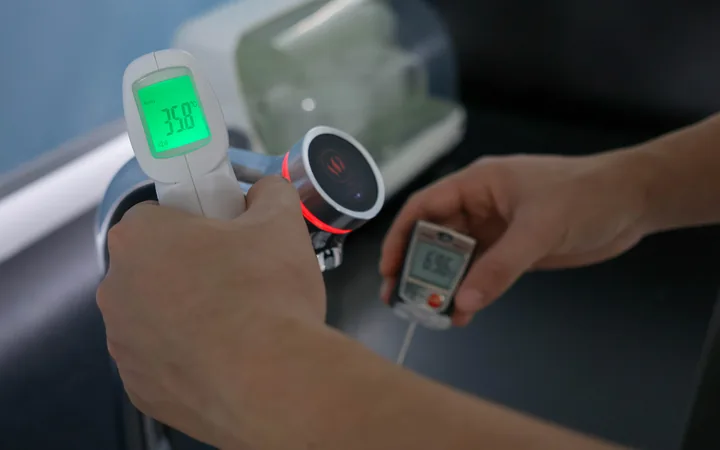
Use the heater rating to plan the connection. Use measured kWh and a timed run of hot-water draws to see what the dispenser can actually deliver during a shift.
Read the article
Compare what it takes to serve a liter at the same table. Follow cooling, delivery and empty-bottle returns, and count how many refills actually reach customers.
Read the article
Start with where the guest will use the container and where it comes back. Count what is clean and ready for the next service before you order.
Read the article
Check the resin code, then find out whether the container earns a refund or belongs in a refill program. The answer depends on where you bought it and who takes it back.
Read the article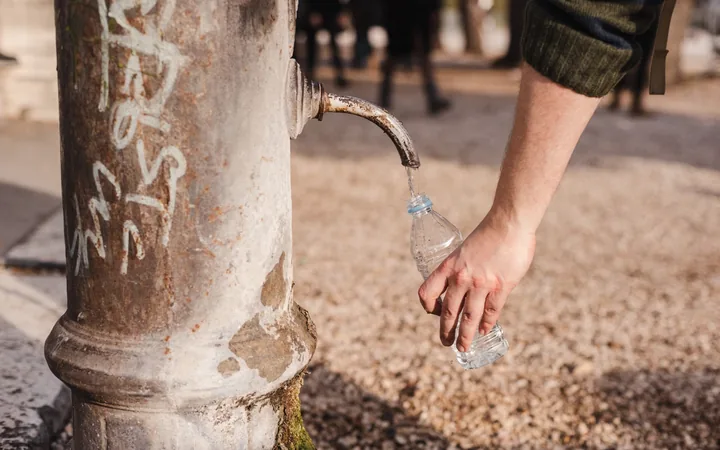
Check orders and bottles handed out before and after the change. Keep the refill display and the stockroom ledger on their own lines.
Read the article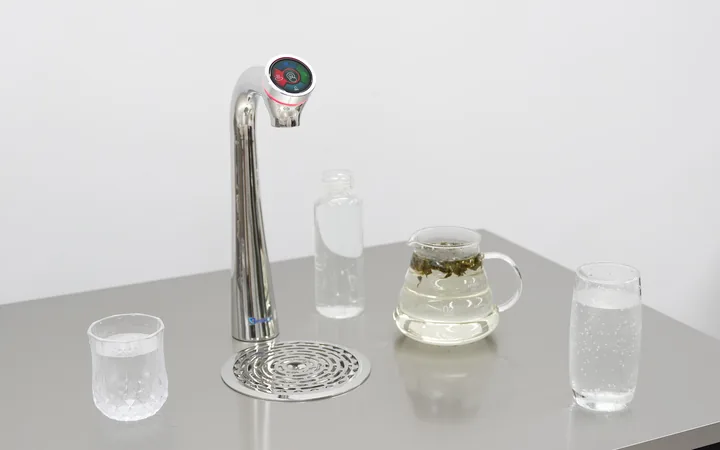
Count the glasses that go out, read the meters on the same clock, and label figures taken from supplier records.
Read the article
Start with the part drawing. Then ask what the material claim measures and which documents cover the piece you are ordering.
Read the article
Put the alloy, the finished surface and the cleaning procedure on the purchase record. When a mark appears, check where it started before deciding which part needs work.
Read the article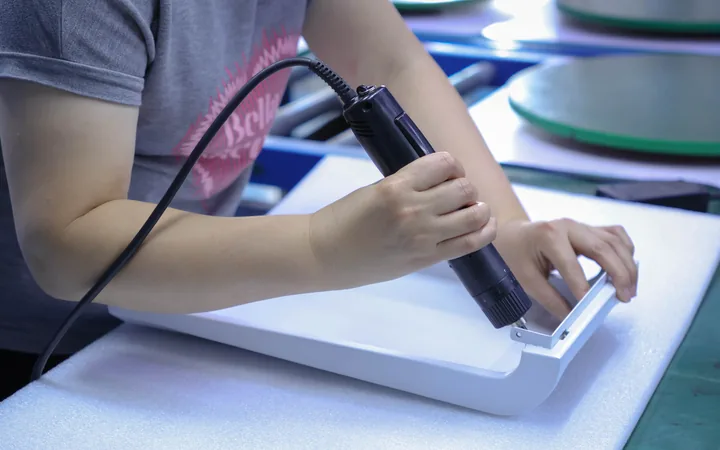
Before you sign for an undercounter dispenser, trace one priority repair from the cabinet door to the correct spare, local technician and return to service.
Read the article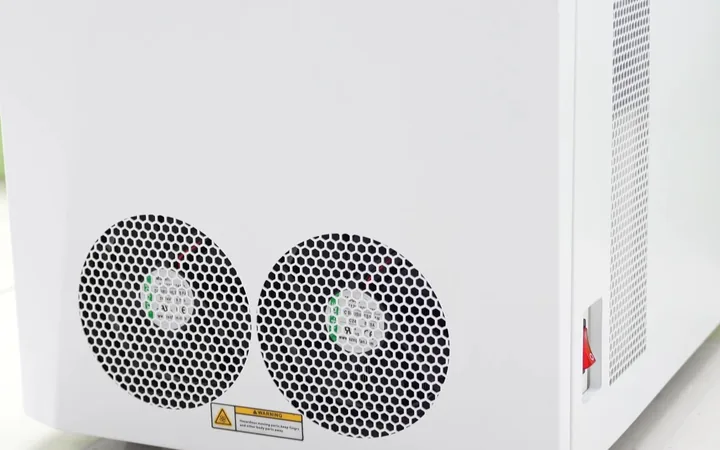
Check the first pour, the end of a run and the next run after a pause. Each tells you something different about the chiller and its reserve.
Read the article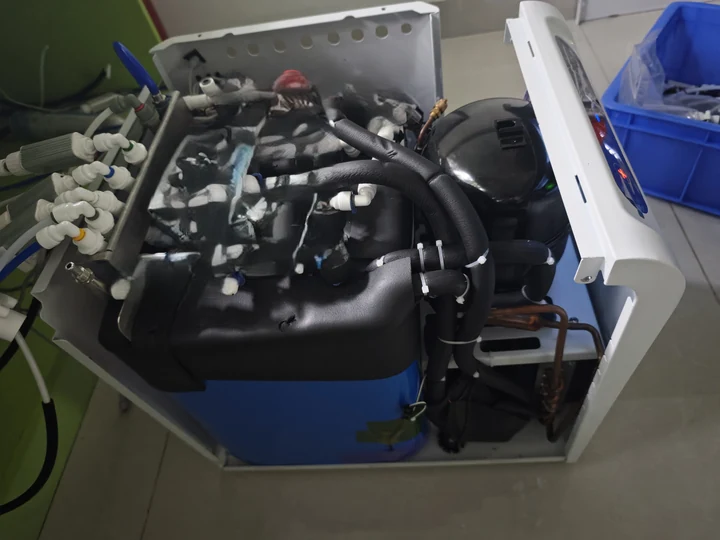
Match the nameplate to the chilling unit you are buying. Record the refrigerant and factory charge, then use that exact configuration to check installation and service.
Read the article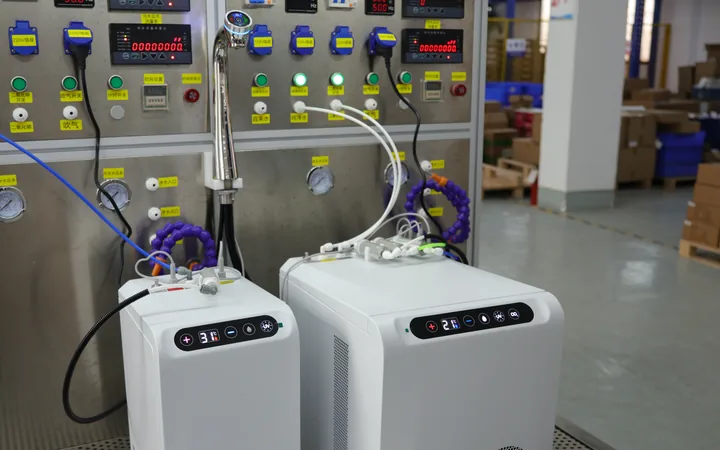
Compare the same sound measurement in the same operating state, then listen at the nearest desk or table while the installed dispenser works.
Read the article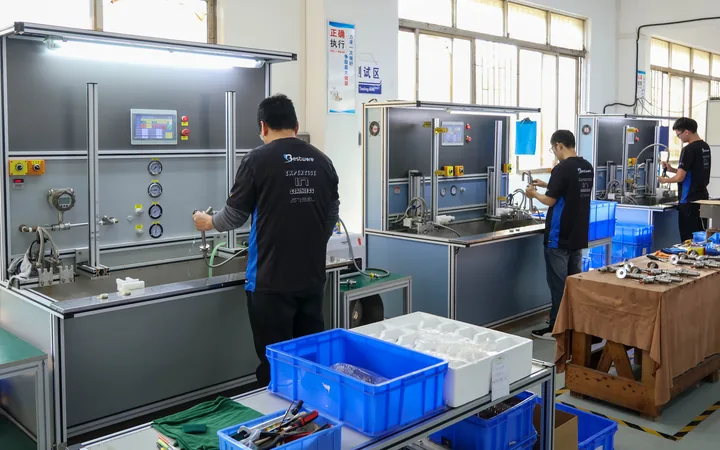
Check one dashboard number against the water at the tap. Then follow a service alert until the work is done.
Read the article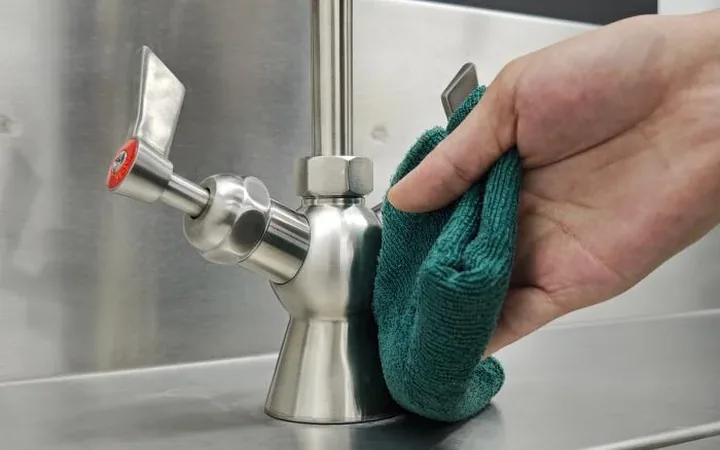
Give exterior cleaning, removable food-contact parts and internal water-path service their own entries. At handback, check what was completed and who can put the unit back into use.
Read the article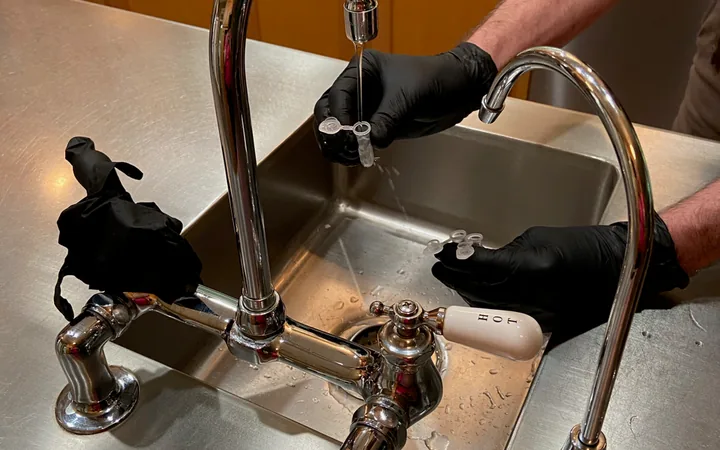
Use the fitted cartridge’s limits, a verified meter and service observations to set the next change. A Bestware PAC and RO example shows what to do when time and volume point to different dates.
Read the article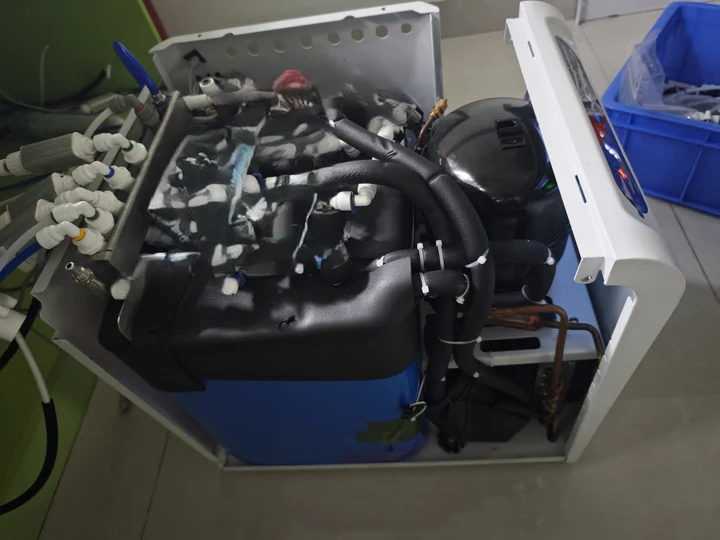
Before the first drink after a shutdown, check the building supply, the dispenser’s service record, and who can return each outlet to use.
Read the article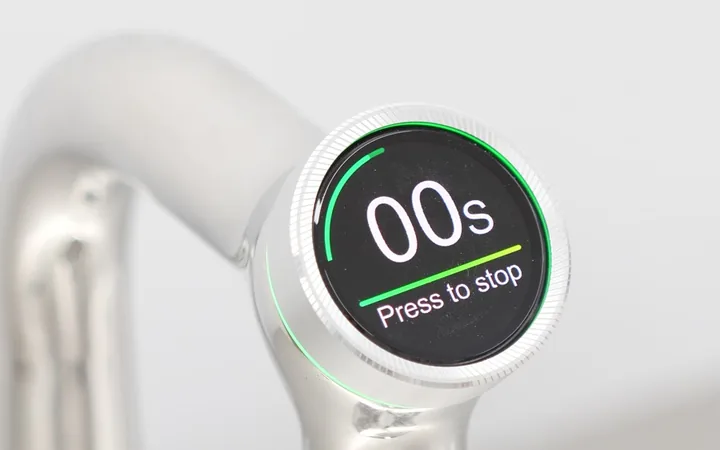
Write down the outlet, setting, any recent change and what happened to the pour. Send the service team the reading they can compare on the next shift.
Read the article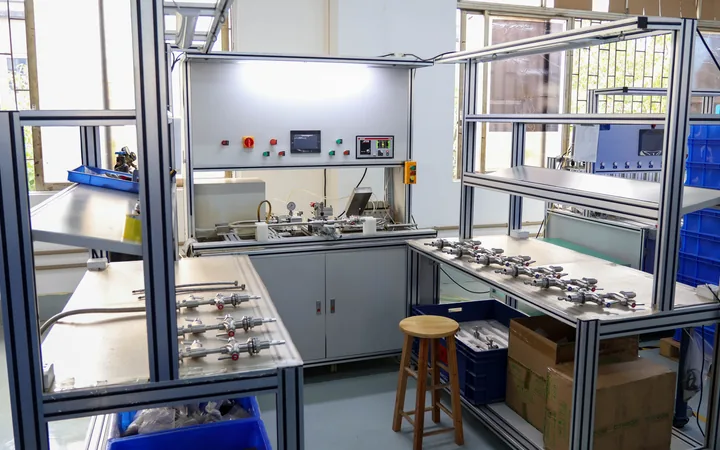
Check a plain pour at the tap, during the rush and after the usual wait. Record when the fizz drops, the water temperature and any visible fault code.
Read the article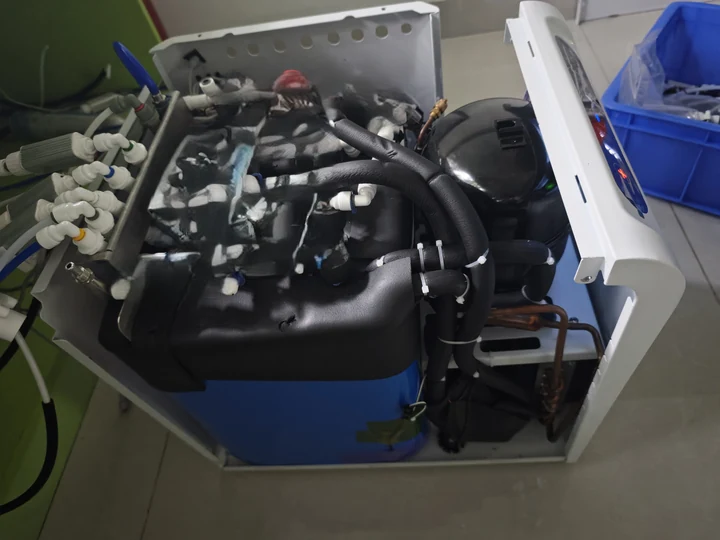
Find out what failed, price the days without service, and compare a repair, a refurbished unit, or a replacement against the same busy shift.
Read the article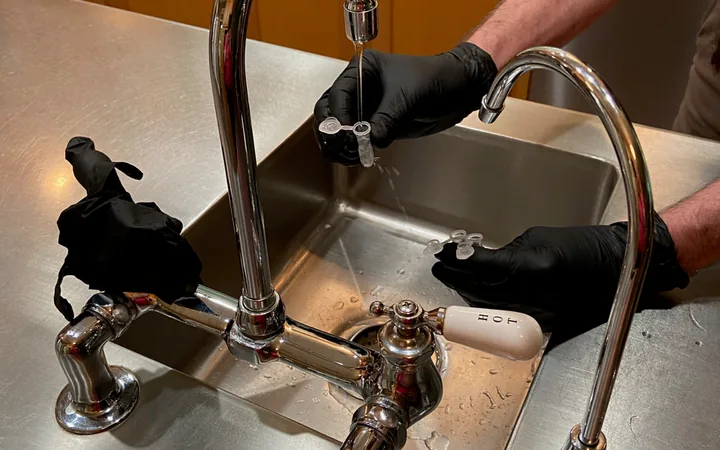
Record which outlet slowed down and where the deposit appeared. Line up a hardness result, an alkalinity result and the installed model’s service instructions before deciding on treatment.
Read the article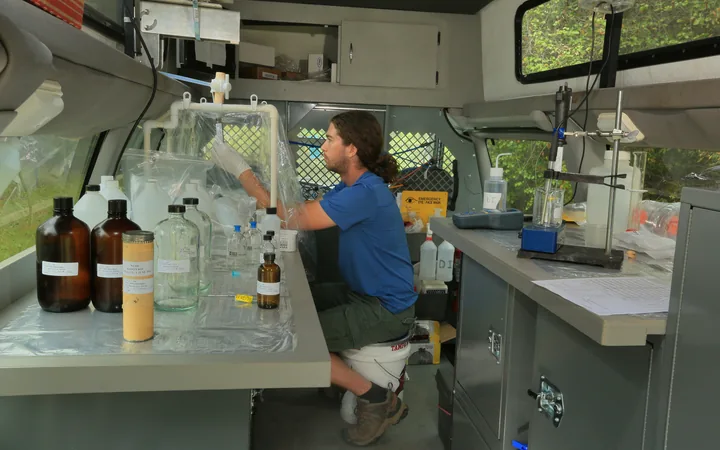
Check the supplier, sampling year and result column before using a water report to choose equipment or clear an outlet for service.
Read the article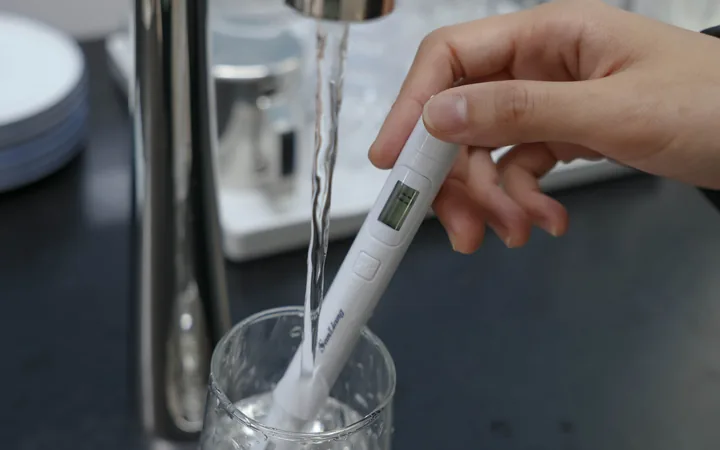
Check the unit and mode before comparing readings. A handheld TDS number is usually an estimate. For a site decision, keep the conductivity, temperature reference and laboratory method with the result.
Read the article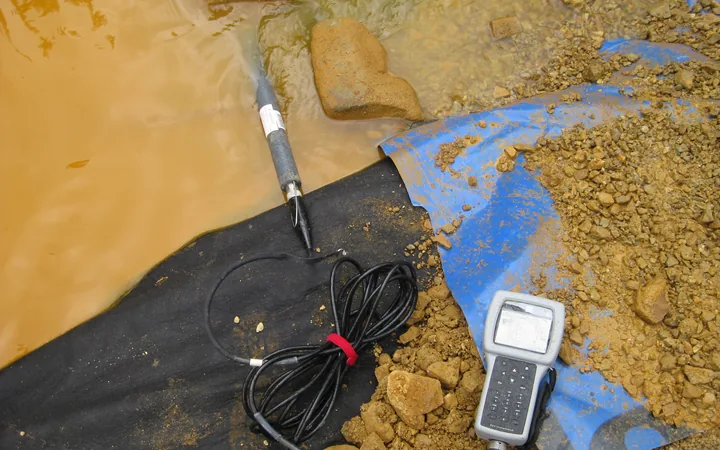
Read the three lines on a water report, then decide what to measure at the equipment inlet and at the tap.
Read the article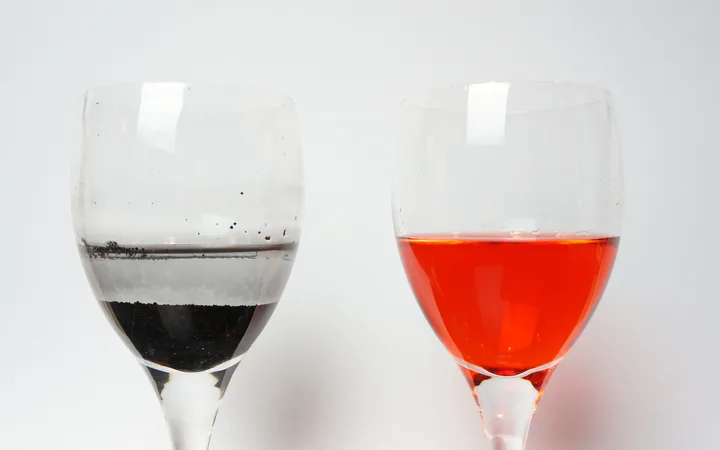
Yes, for the right disinfectant and flow. A single carbon cartridge can have one rating for chlorine and another for chloramine. Match both the head and the replacement before you buy.
Read the article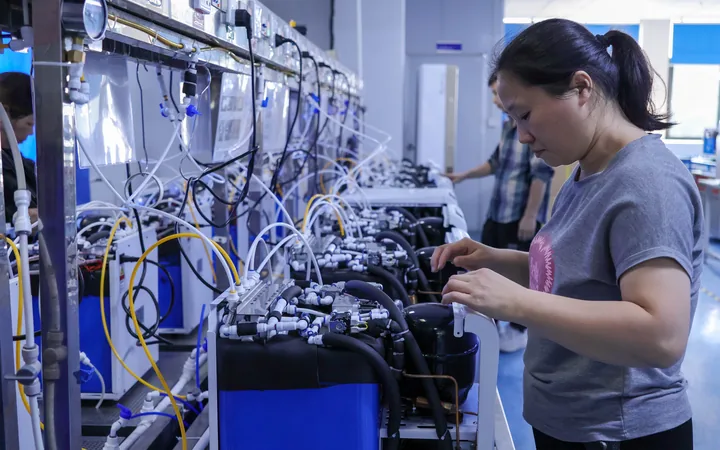
Start with the required water result. Then check what the quoted RO unit produces, how much goes to drain and what reaches the tap during service.
Read the article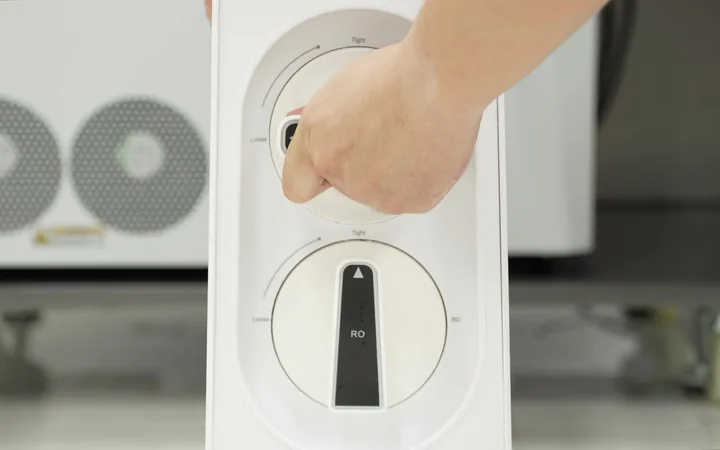
Start with what the water needs to lose or retain. Then compare the production of the complete system under the same conditions, and check what reaches the tap.
Read the article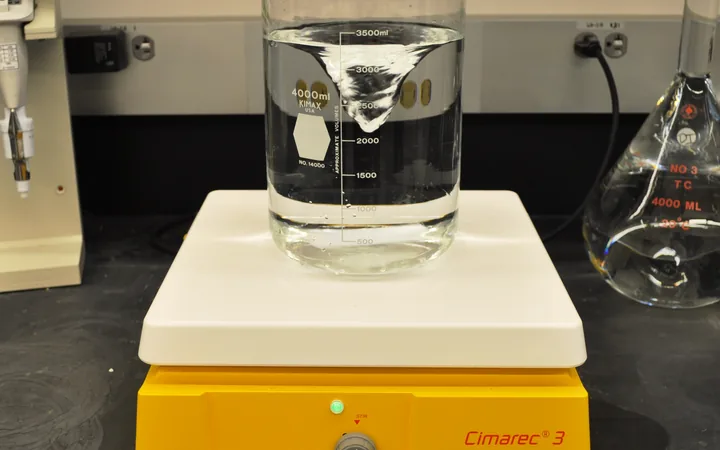
A UV lamp at the bar does not clear a boil water notice. Check the address and notice first, then use a separate restart record for the coffee, ice and fountain lines.
Read the article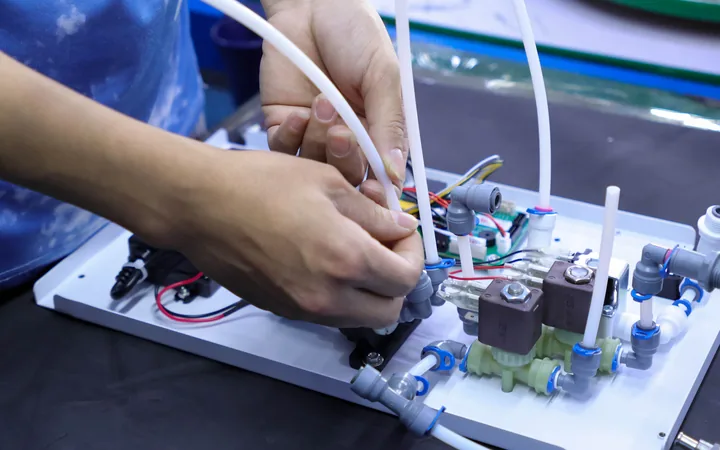
Start with the water at the shop and the loads at the espresso machine, ice maker and drinks tap. Then match the filter’s specific claim, flow and service life to the branches it will serve.
Read the article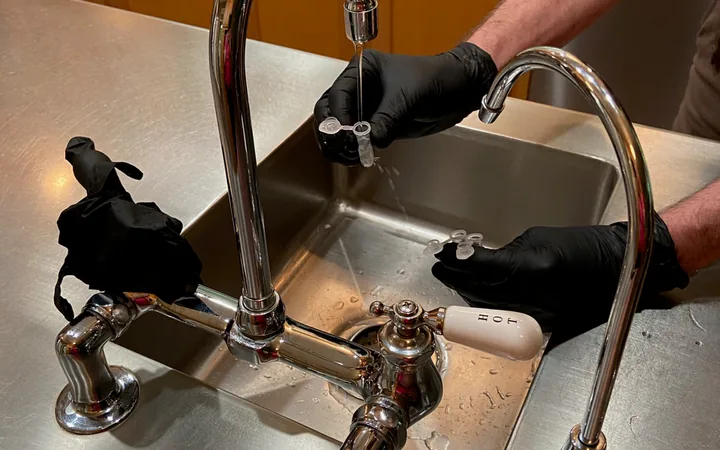
Match the filter and replacement cartridge to the named compounds in a current listing. Then check what the test measured at the outlet.
Read the article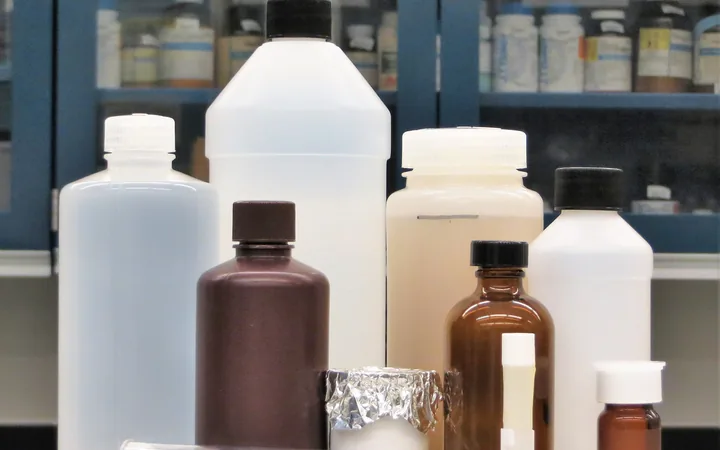
Check the smallest particle counted, the volume and the sampling point before comparing particles per liter. Here is how those checks change a real study and a filter quote.
Read the article
If the smell follows a clean glass away from the sink, compare cold-water outlets before ordering a filter. Where and when it happens can help you decide who should investigate.
Read the article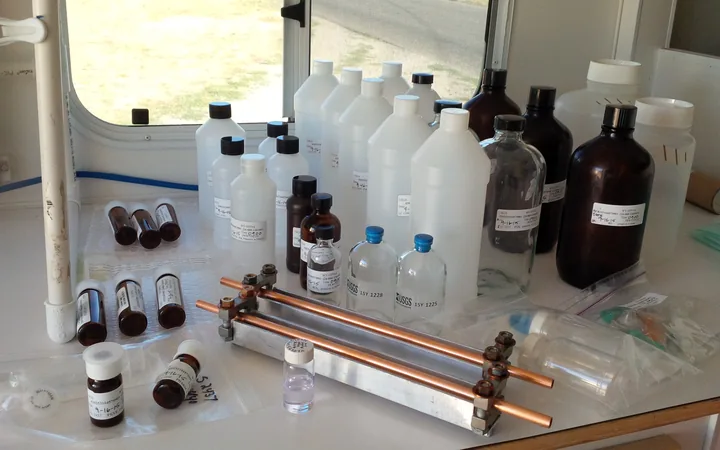
Use the water report to name the substance, check what the quoted system is certified to reduce, and agree what the site will verify before changing the water used for drinks.
Read the article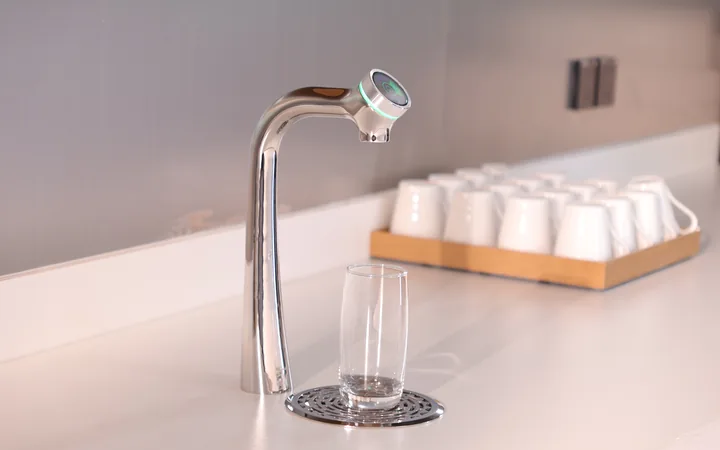
Pause drinks from the affected supply. Check the notice for the address, then tell the right service team which outlets changed and when.
Read the article
Check espresso-machine feed against its manual, measure tea water at the vessel, and follow ice from the machine inlet to the scoop.
Read the article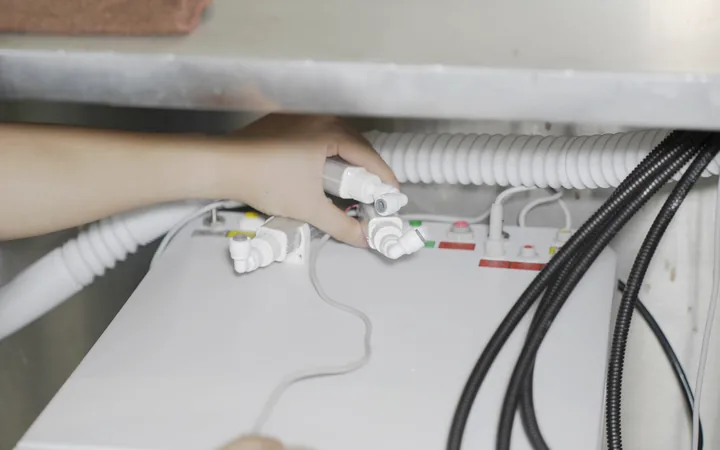
Put treatment at the entry if the entire section it supplies needs it. Treat the individual outlet if the job is local. Draw the pipe and decide who can shut it off before you buy.
Read the article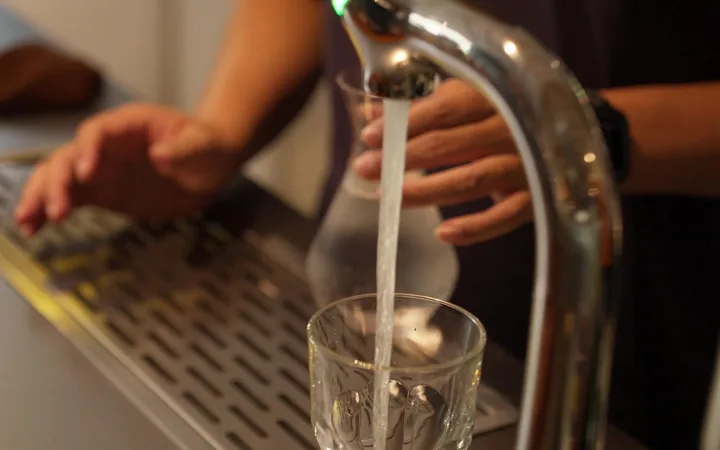
Read the notice for your address before using the tap. Then mark off the ice, drinks, prep and washing that depend on it, and reopen each station only after the required checks.
Read the article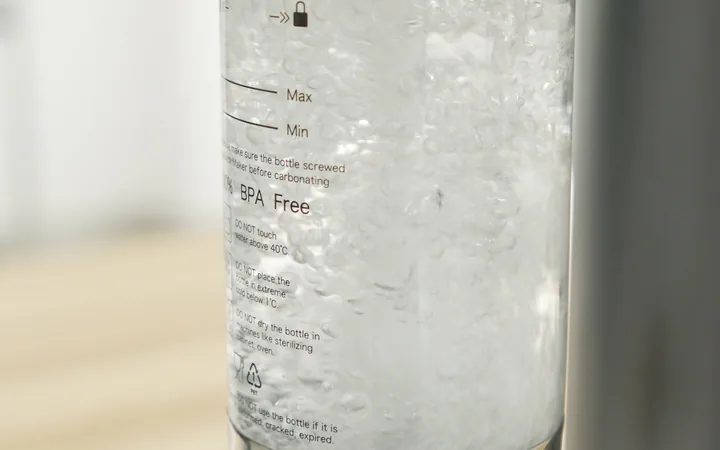
Match the bottle to the exact carbonator first. Check the marked fill line, expiry, condition and washing directions on the bottle you will actually use.
Read the article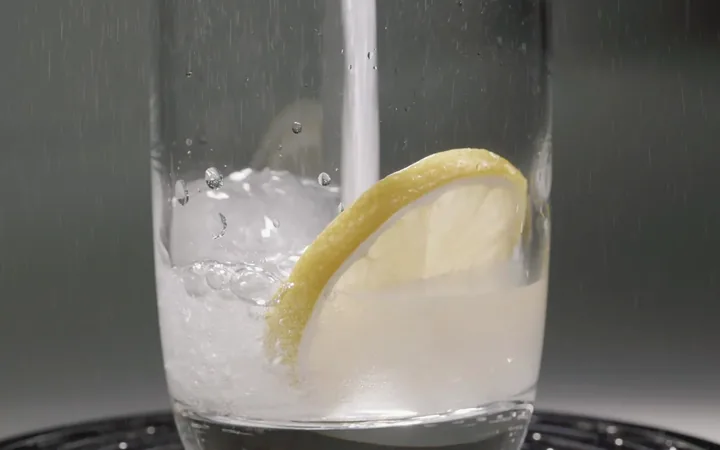
If your model calls for plain water, add flavor in the glass. Before carbonating juice or tea directly, check what the exact model and bottle are designed to handle.
Read the article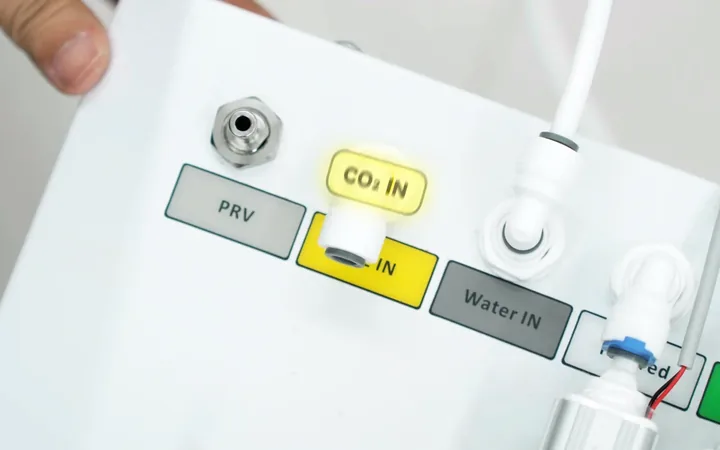
Put the food use and supplier on the order, then check the cylinder label, delivery record and batch evidence before releasing the gas for service.
Read the article
Give inlet water, beverage gas and the hot outlet their own checks. Sign off against the installed model, the room and the way the counter will be used.
Read the article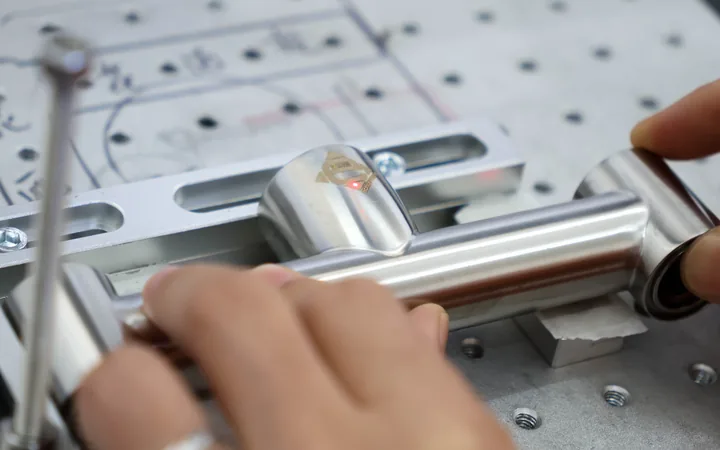
Map the supply, filter, internal line and outlet. Treat the drip tray as a separate job, and use the actual sampling point when investigating water quality.
Read the article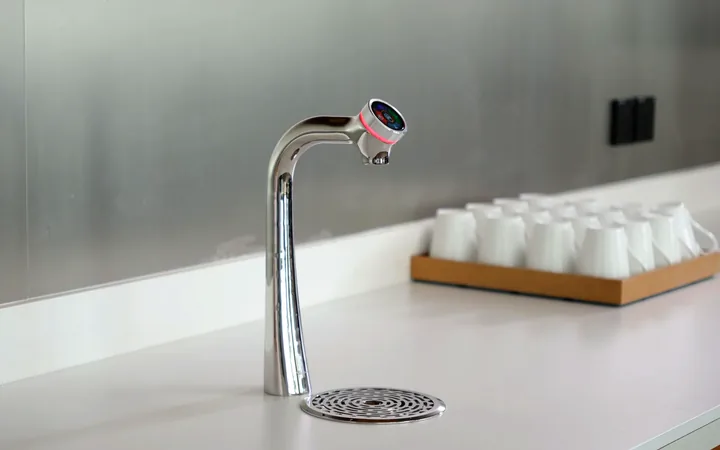
Decide which fixtures the site needs, then verify reach, clearance and a real bottle fill after installation. U.S. ADA measurements depend on the fixture and approach.
Read the article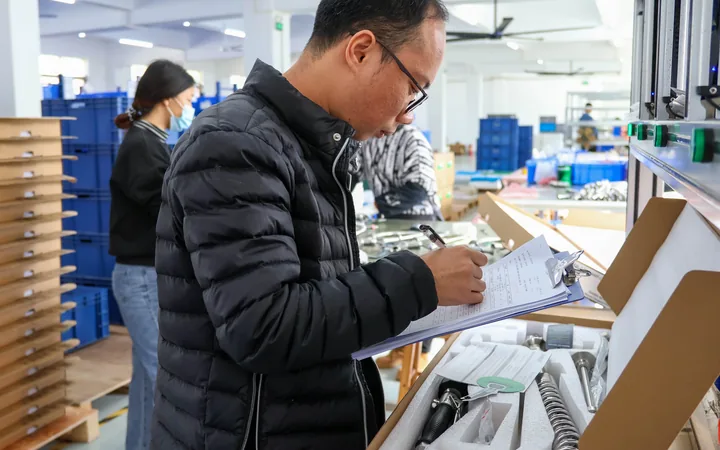
Find the notice for the market that supplied the product, match the label, and save the result for each unit. A later expansion can change an earlier decision.
Read the article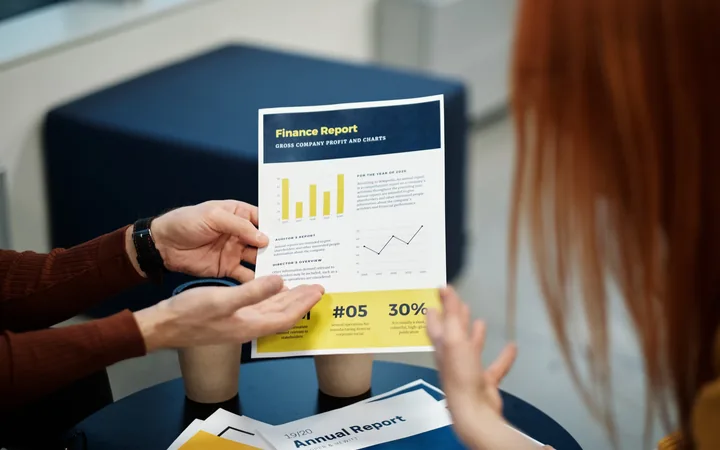
Compare the same months of usable water, including the work your staff keeps and the amount you pay to leave.
Read the article
Put the two proposals side by side at the point where the system can serve water. Then price the first two years with the same parts, visits and service assumptions.
Read the article
Log a day with no draws, a service day and the first hot cup after closing. Read kWh alongside the liters that met your serving requirements.
Read the article
Write down what the charge covers. Then use the fills, washing and staff time you actually see to work out what the offer contributes.
Read the article
Keep a record of the old service. Match the hours and demand after installation, then see which change you can actually measure.
Read the article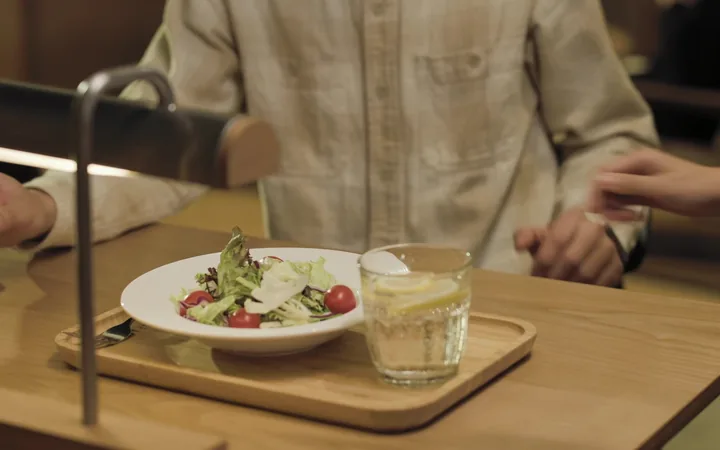
Assign the first pour, refills and glass return. Then run a busy service with the actual bottles before you count on the equipment.
Read the article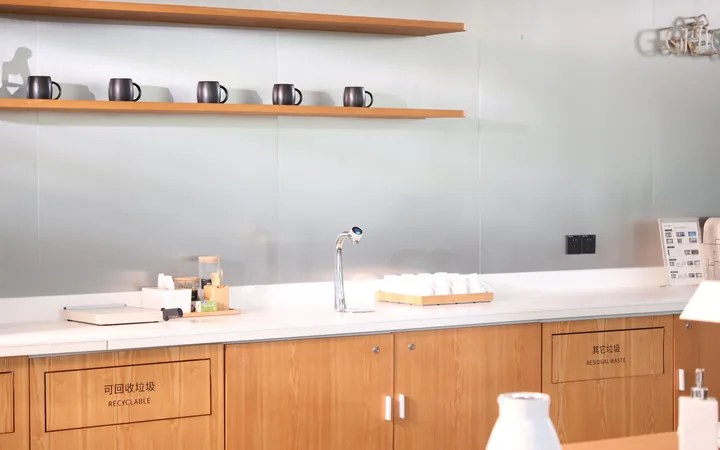
Plan around the busiest break on each floor. Count the bottles and cups, time the queue, and make sure someone owns the refill and service work.
Read the article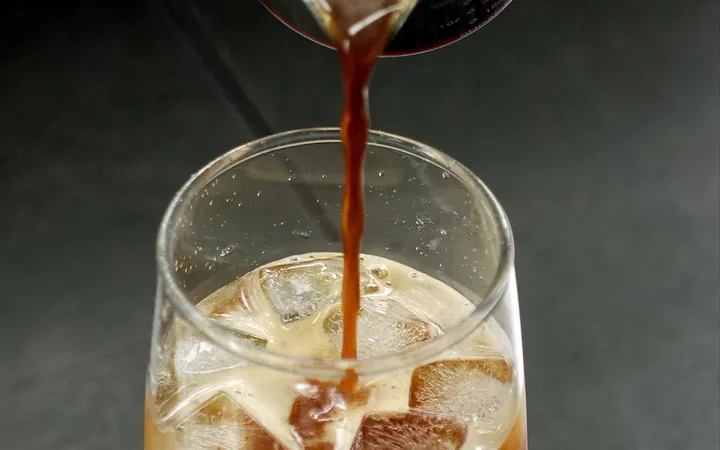
Walk a set of mixed coffee and sparkling orders before you cut the counter. Time the queue, check both water feeds and leave room to get to the equipment.
Read the article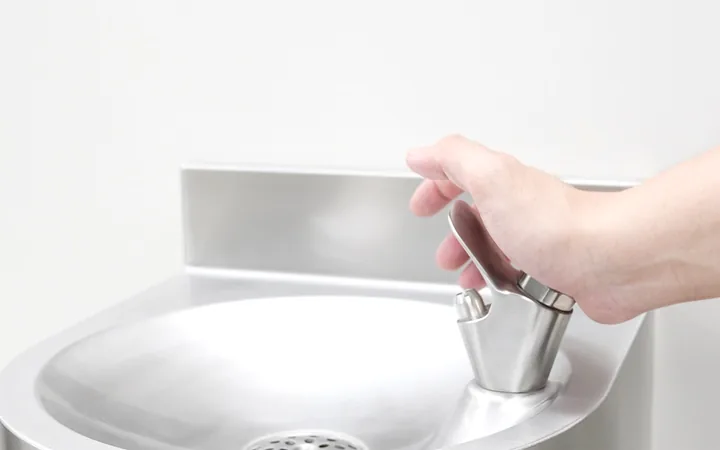
Start with the places students need water during lunch, short breaks and sports. Then check the route, the time it takes to fill a bottle and the backup when an outlet is closed.
Read the article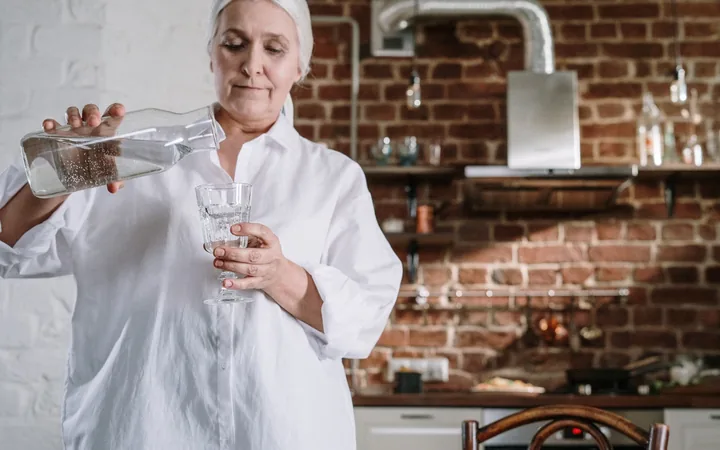
Separate self-service from assisted rounds. Decide who can use each point, who looks after it and who can reopen it after a problem.
Read the article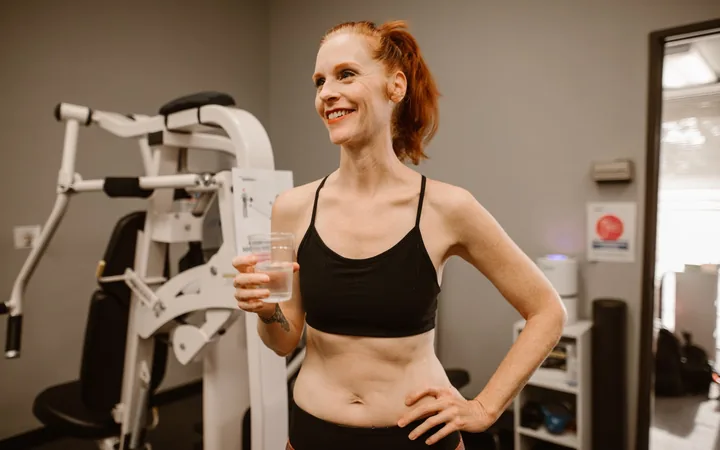
Count the people who arrive together, then test how long their bottles take to fill when both stations are in use.
Read the article
Find where people will need water at the same time. Check the route, the supply and the backup before guests arrive.
Read the article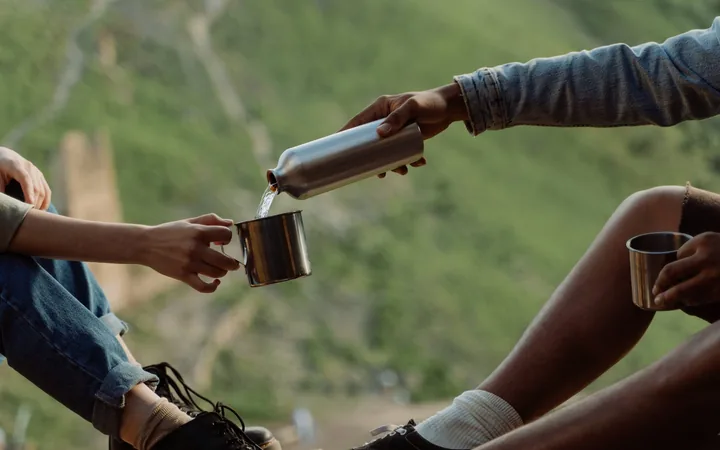
Walk the route from the farthest work position. Then plan how water reaches the crew when the work moves, the gate closes or the shift runs long.
Read the article
Put public and tenant-only taps on the same plan. Identify the branch, meter and service owner for each, then test what stays open when one point goes down.
Read the article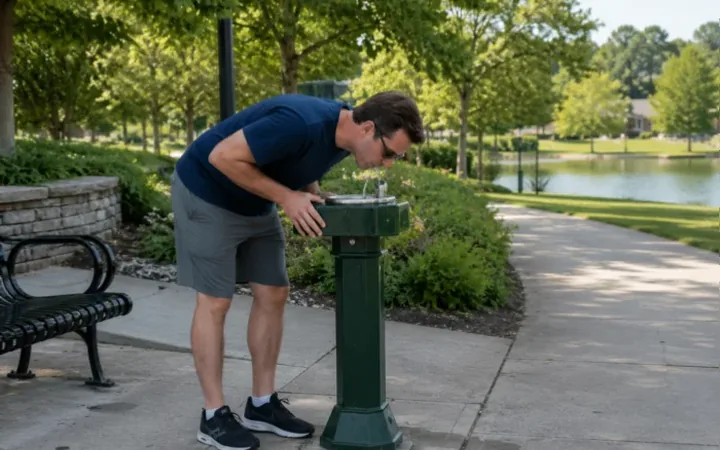
Walk the visitor route, time the whole bottle fill during the busiest spell and assign someone to verify and publish outages and reopenings.
Read the article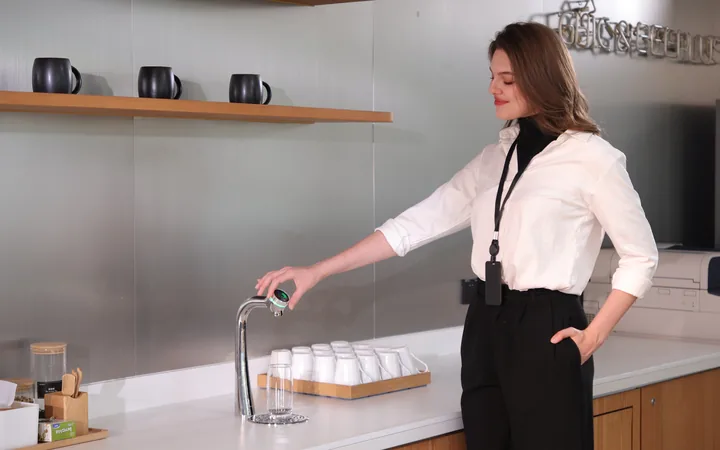
Make the first glass in your kitchen, try what reaches you after a commute, and check what a shared refill station can serve at a busy time.
Read the article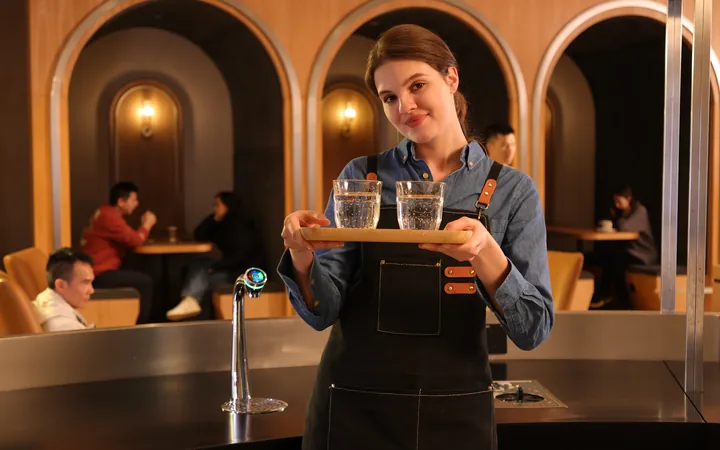
Try still and sparkling water with one dish, then record what changes between the tap and the table before you write the menu or brief the floor team.
Read the article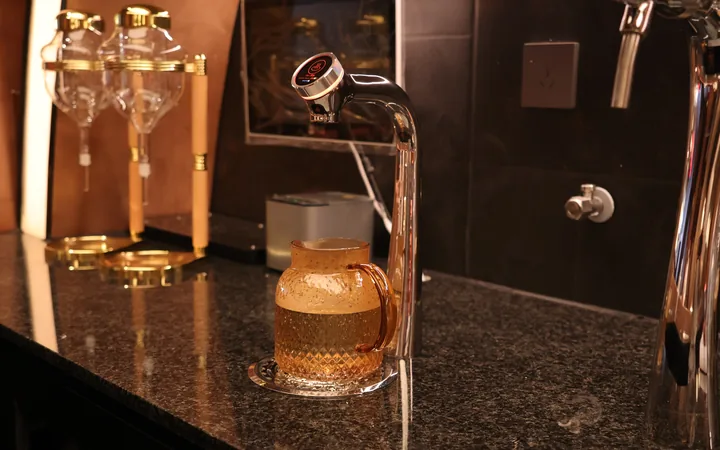
Test the seasonal base in one glass, then plan how much to finish in each round and what to do when more orders arrive.
Read the article
Weigh the ice, record when the drink is served, and taste it again after the real wait. A cold pour, a diluted recipe and a lively-looking glass tell you different things.
Read the article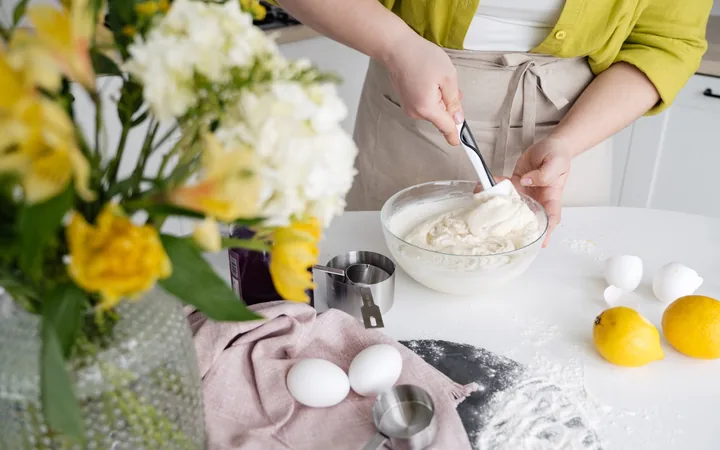
A test kitchen got a more open crust on fish fried in seltzer batter. A quick comparison through your own pickup window tells you whether to change the recipe.
Read the article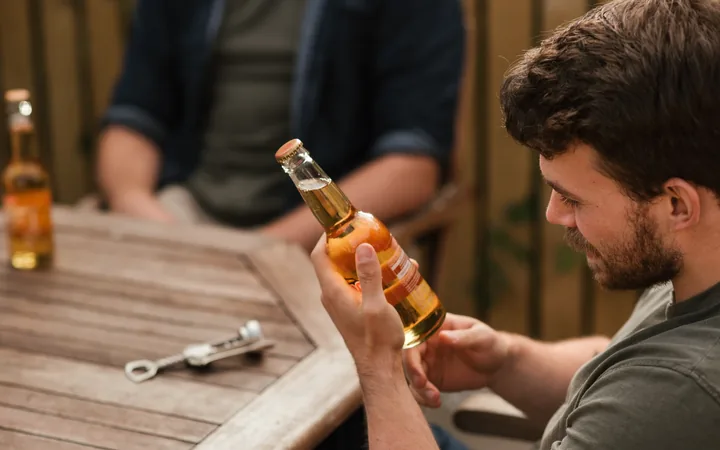
Read the serving on the syrup bottle, measure the dose and add the sugars from any mixer. Then use the liquid you actually served to work out grams per 100 mL.
Read the article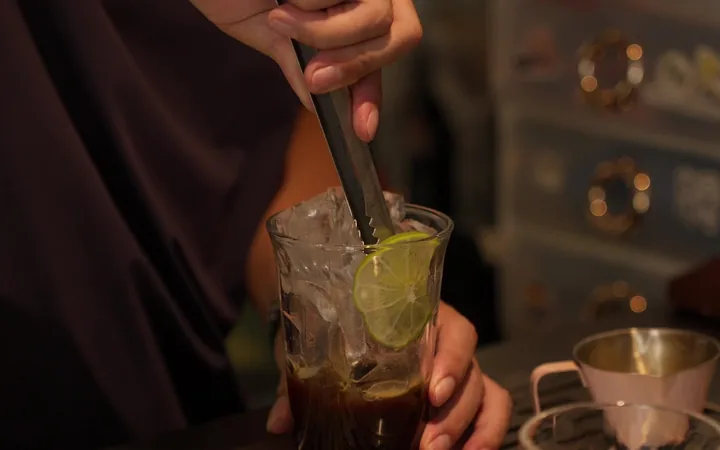
Start with two glasses of shikanji and see what changes when the same lemon and spice base meets still or sparkling water.
Read the article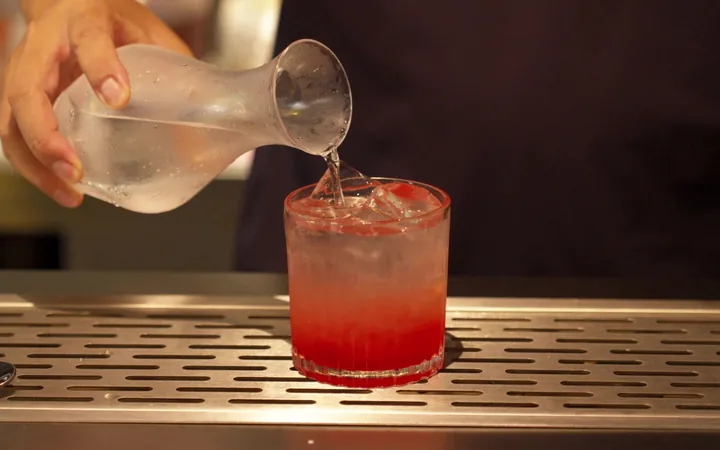
Make one reference glass, weigh the still base after transfer and add sparkling water by the glass. Use the same wait before tasting both shifts’ pours.
Read the article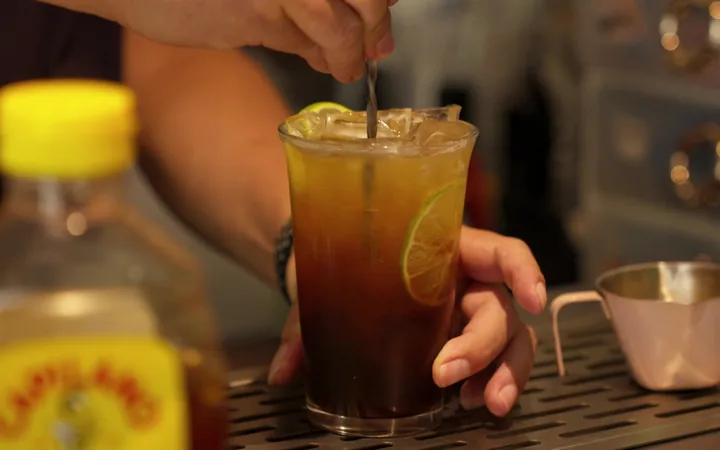
Compare fresh juice, juice from concentrate and citrus syrups in the same glass. Then price each option by the usable portions it actually gives you.
Read the article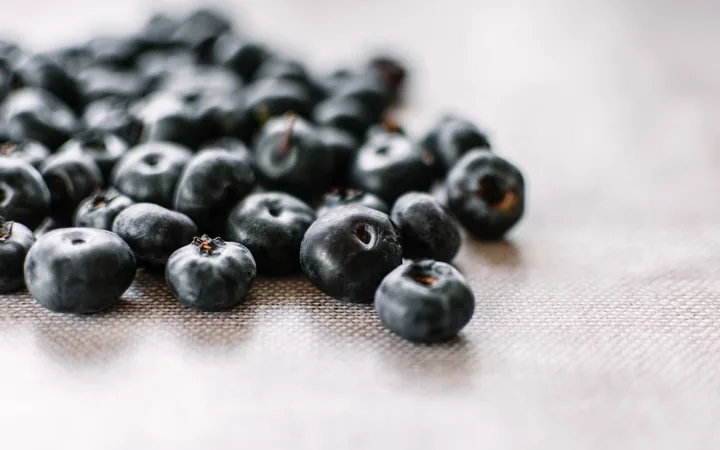
Choose a strained base or fruit in the glass, then check the last sip and count portions after straining.
Read the article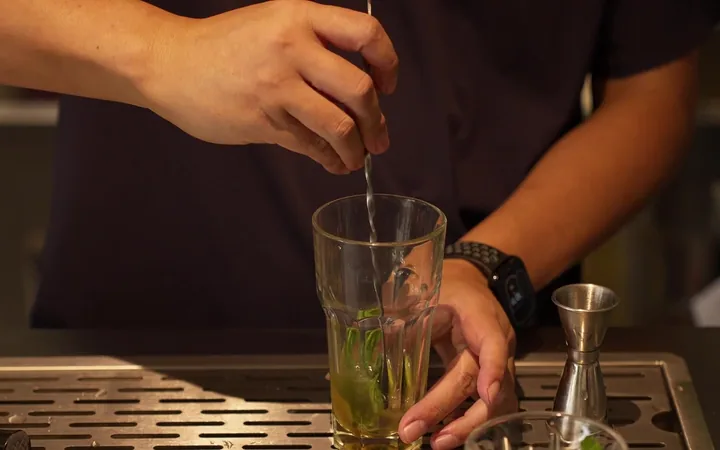
Choose a fruit base, measure what survives prep, and add chilled sparkling water in the glass. Watermelon and lychee recipes show two different ways to serve it.
Read the article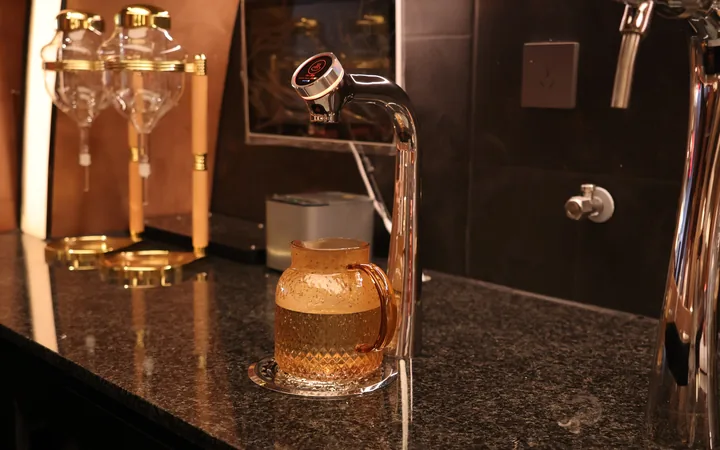
Make four small pours from two juices and one cinnamon infusion. It’s a quick way to see which fruit holds up when you add sparkling water.
Read the article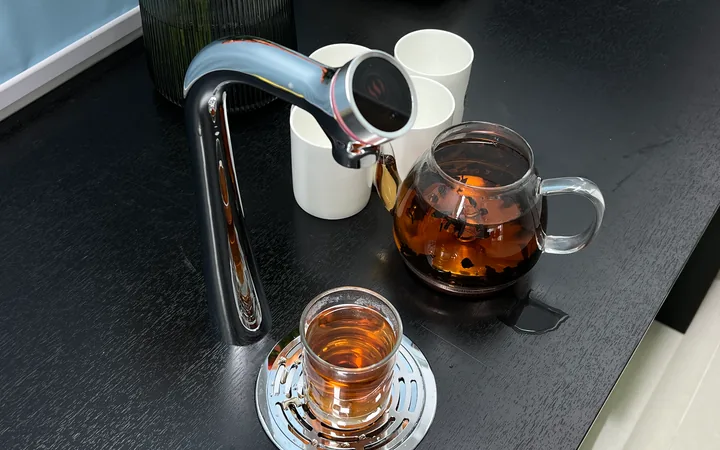
Start with a tea base you can recognize on its own. Try two tea-to-sparkling-water ratios in the same size glass, then write down the one the next shift can repeat.
Read the article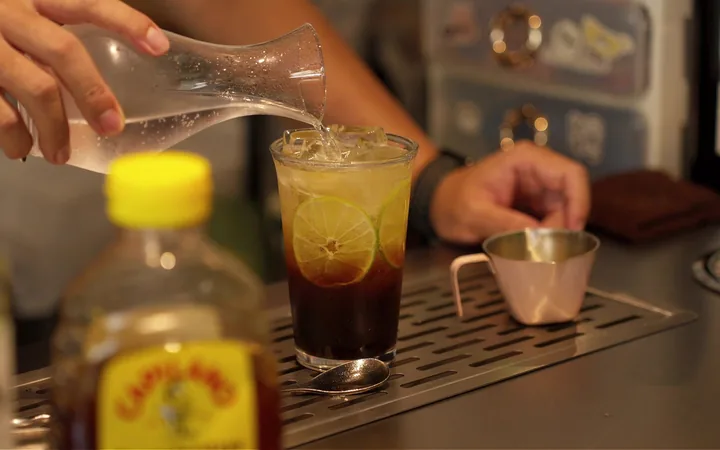
Start with two coffee recipes, then pour three matched glasses to see what tonic, plain sparkling water and cold brew concentrate each bring to the menu.
Read the article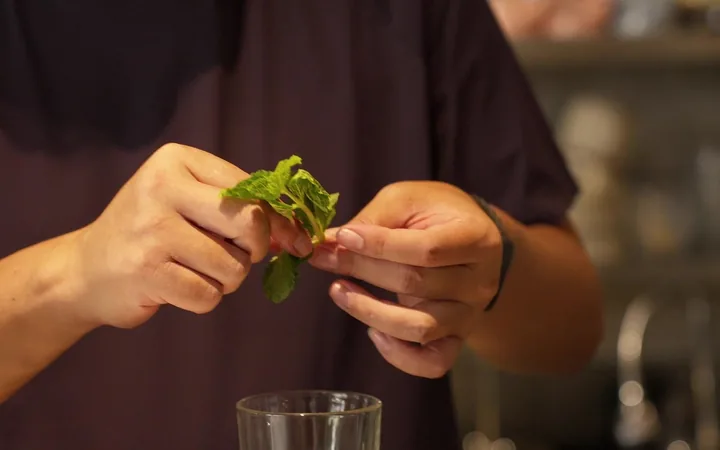
Start with three measured ginger pours. Once you pick a dose, try the mint at the rim and give a floral cordial its own test.
Read the article
Use strained fruit syrup for a smooth pour, jam for texture or a prepared fruit shrub for tartness. Test the mix in the glass you’ll actually serve.
Read the article
Give guests distinct choices, then put the glass, soda or wine measure, and finishing step on the service card.
Read the article
Read the actual NSF 42, 53 and 58 claims before approving a filter and its replacement cartridge. Check separately ordered taps and valves against the project requirements.
Read the article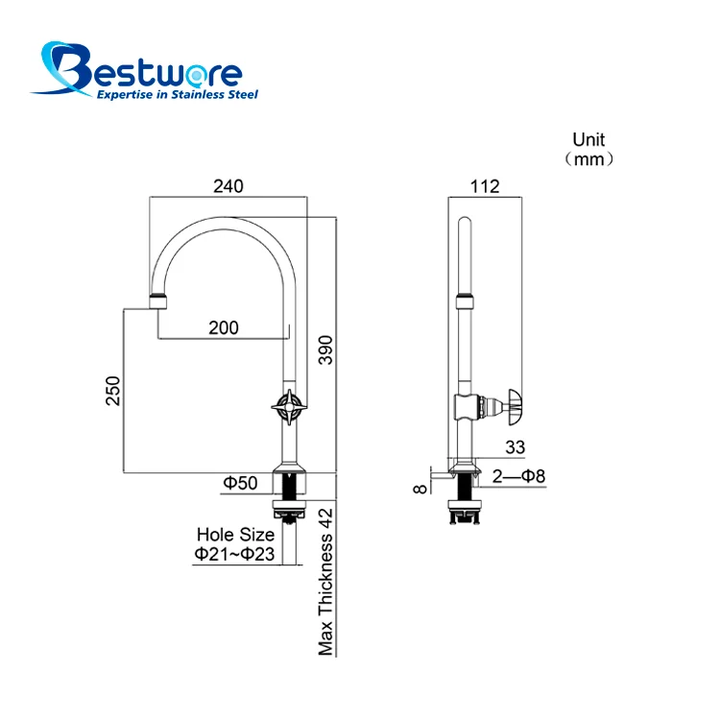
Check where the water lands, how much room the tallest vessel needs and whether the operator can move it without hitting the faucet.
Read the article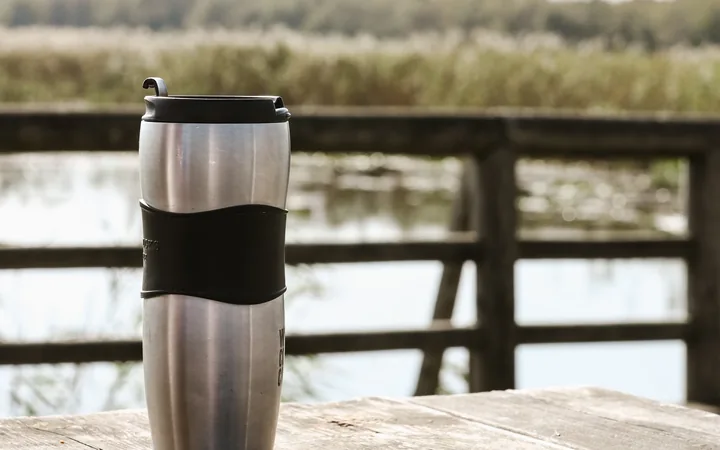
Choose by the surfaces the drink will touch, from the inside to the lip and lid. Check the finished cup against your recipe, its time in service and the wash routine.
Read the article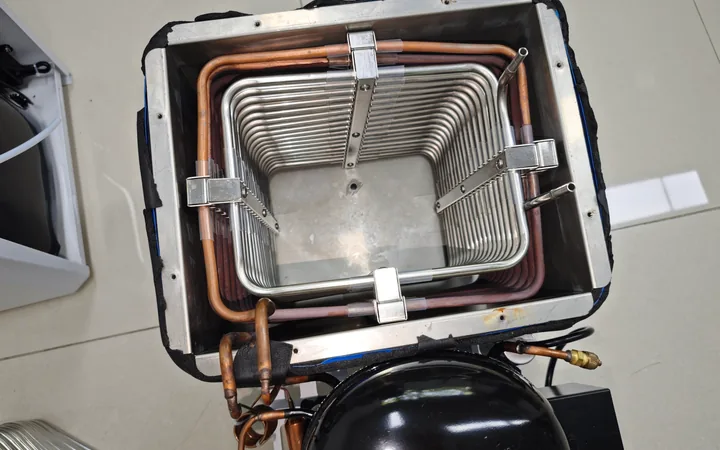
Look for overlap between the time the chiller rejects heat and the time hot water is needed. Compare the whole system’s electricity while it serves the same orders.
Read the article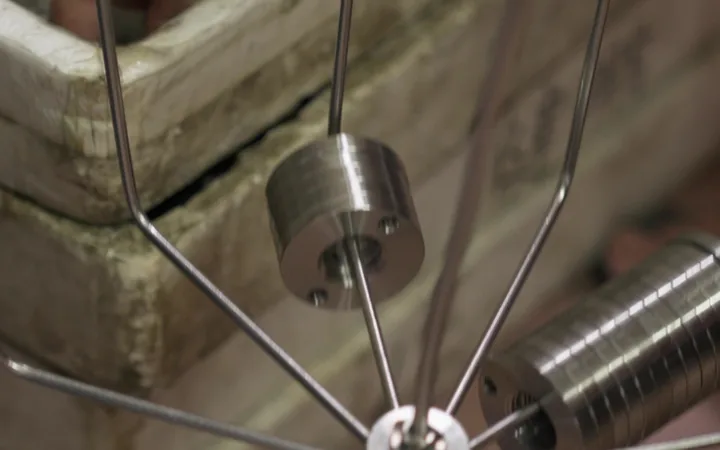
Find the exact part the supplier describes, then check whether the paperwork covers its finish, its use and what the label promises.
Read the article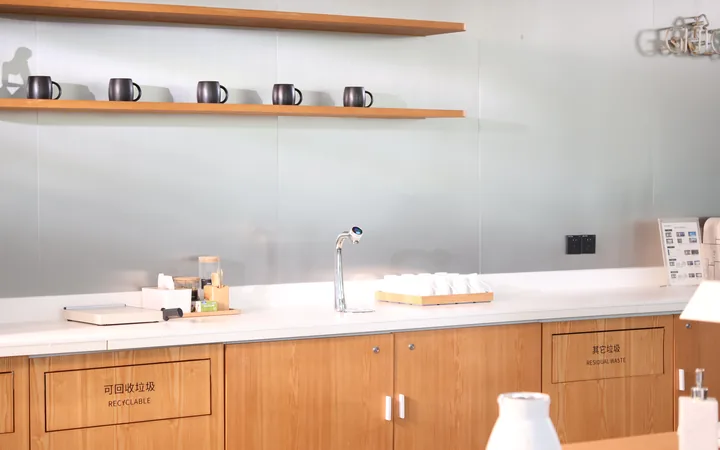
Plan where people will fill up, prepare for two rooms taking a break together, and leave enough clean jugs for the next booking.
Read the article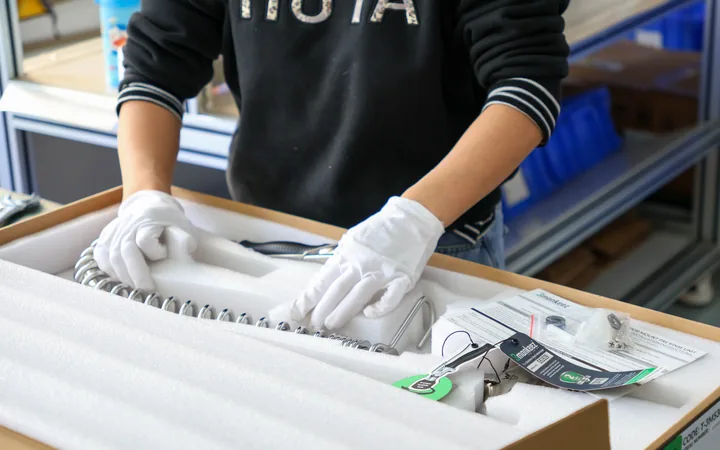
A reusable equipment case earns its place by protecting the load and making it back in time. Design and price the return alongside the shipment.
Read the article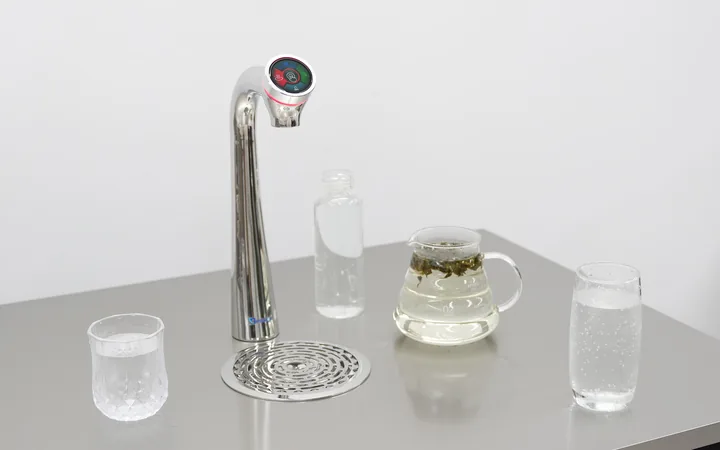
Set the pass conditions with your installer, log the first and busiest pours, then check how the unit returns to service after a rush or maintenance.
Read the article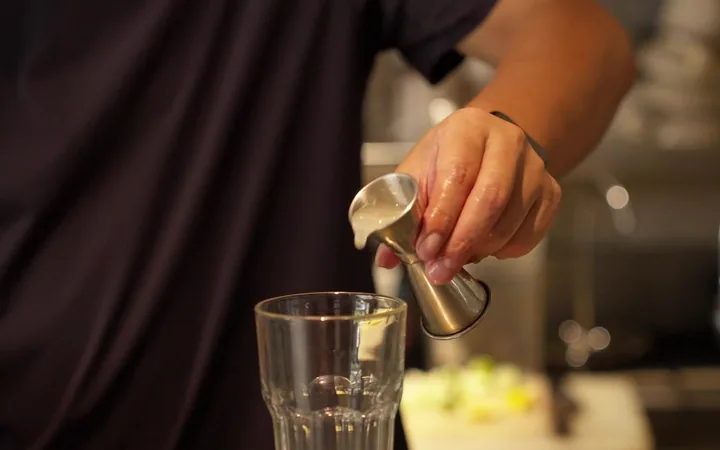
Prep the still base, then finish each order with sparkling water. Use a small batch and your real service clock to check whether a pitcher also works.
Read the article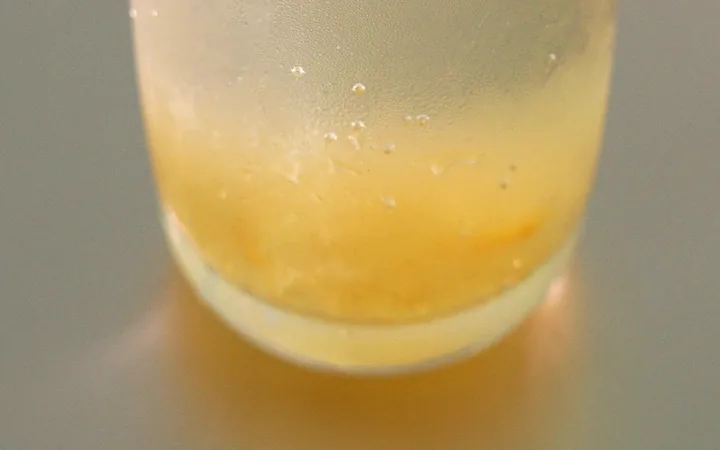
Write the purchase order for the fruit base you can actually serve. Then compare a new lot in the same glass and count the full servings it gives you.
Read the article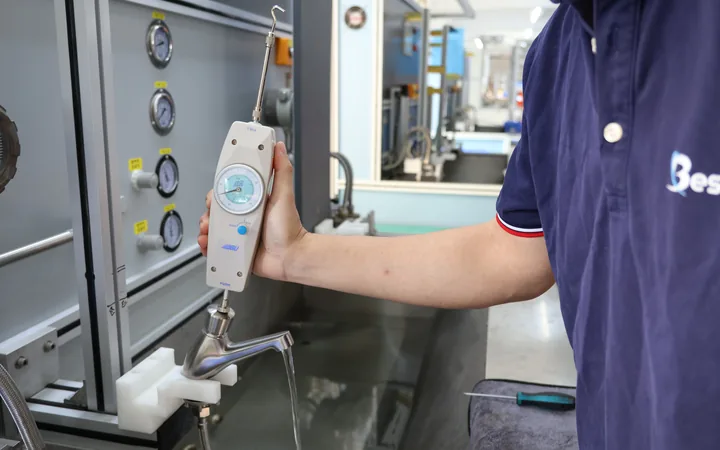
Measure at the actual control and under the expected inlet pressures. Record when water starts, how hard the rest of the movement feels, and which accessibility requirement applies.
Read the article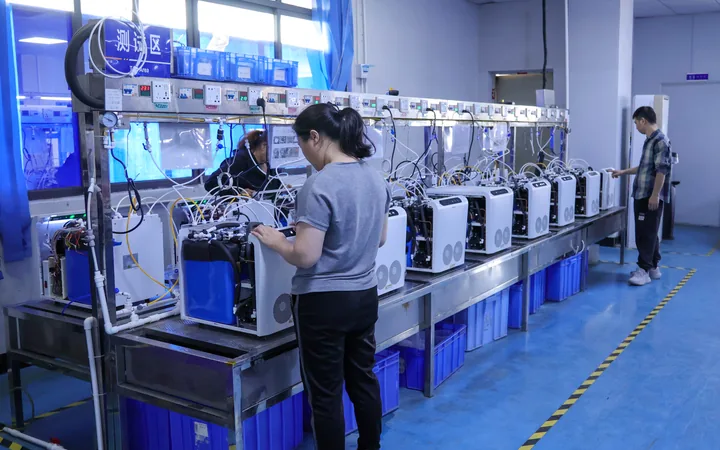
Ask for the factory, period, metered electricity and retirement record. Work out how much electricity those documents cover before repeating the supplier’s claim.
Read the article
Check the unit, channel and comparison period before you turn a sales figure or a restaurant survey into a menu decision.
Read the article
Use the delivery ticket to count full bottles in and empties out. Check bottle and crate credits against the next account statement.
Read the article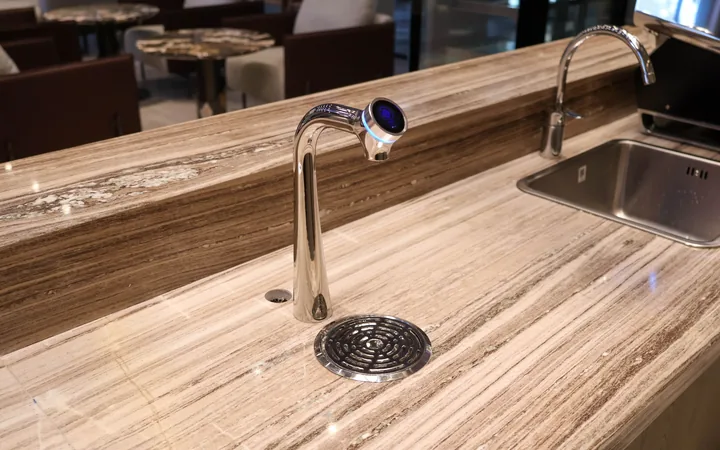
Trace the fitted route before you order the chiller. Then check the first glass after a quiet stretch and the next four at the tap.
Read the article
When a supplier sends a different juice, syrup or concentrate, check the lot, allergen information, recipe and cost before the bar serves it.
Read the article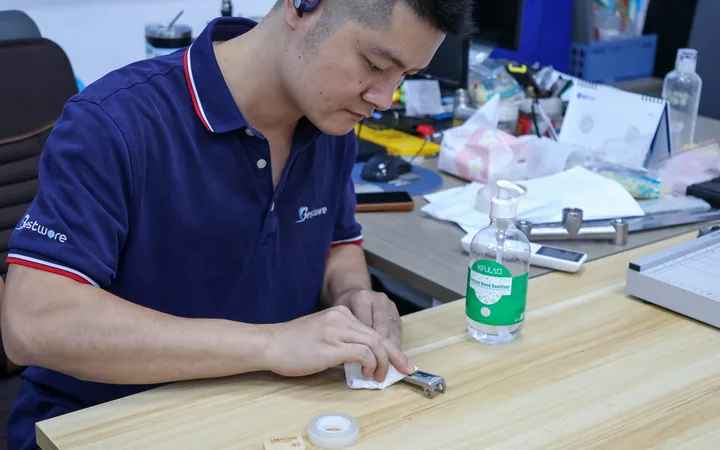
Sign off a physical sample and an assembled first unit. Put the visible surfaces, viewing conditions and acceptable limits on the same purchase record.
Read the article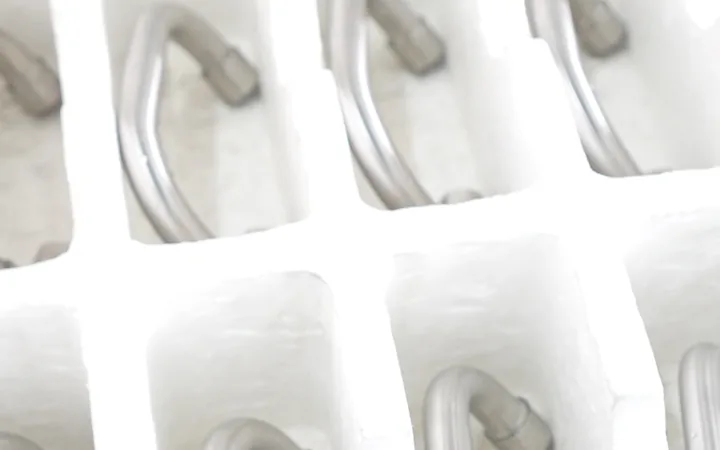
Pilot a new location and a retrofit, record what actually fits, then release the next sites as utilities, installation and service are ready.
Read the article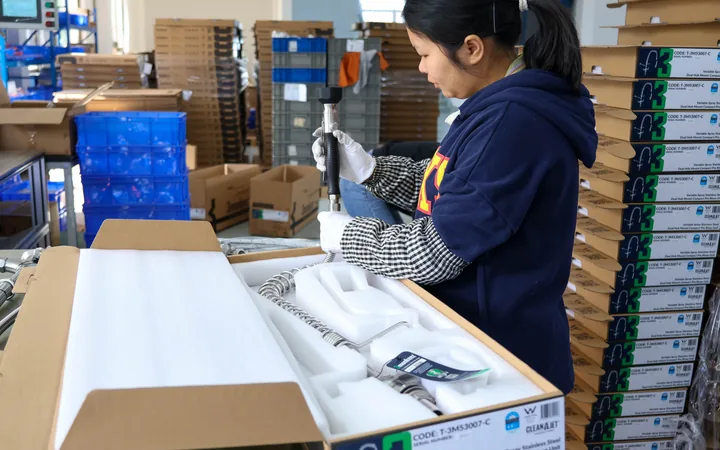
Confirm which work can continue, find the usable water on each branch and check how long it can serve an approved shift.
Read the article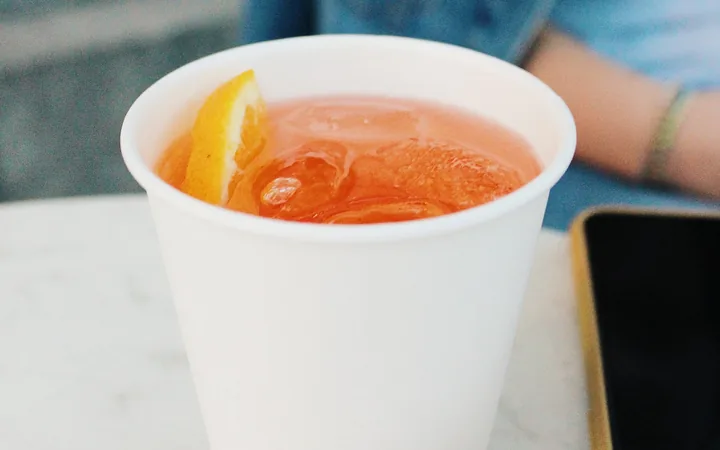
Time the wait for pickup and the trip afterward. Compare a fresh pour with the same drink after a realistic run before deciding when to mix it or which lid to order.
Read the article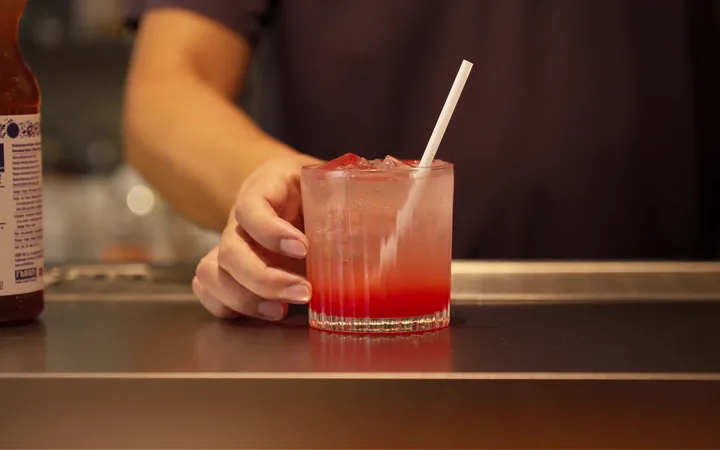
Match the drink to the package, reconcile the stock and have the right person sign the decision. Keep a tasting sheet with the batch checks it can actually support.
Read the article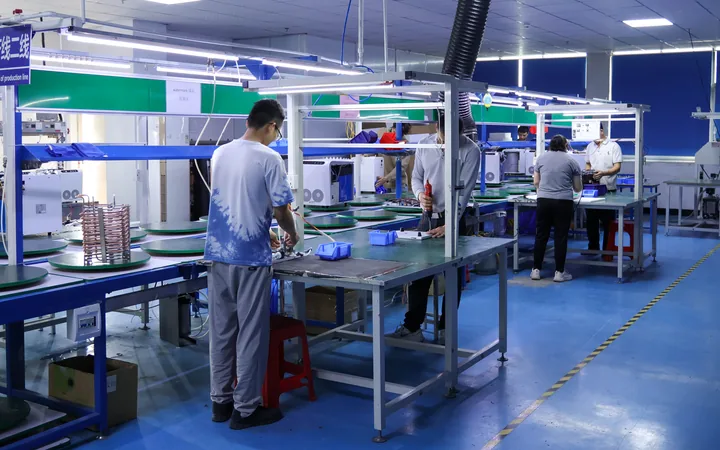
Match the scorecard to the companies and factory in your order. Then check the drinking-water and energy claims against the exact model.
Read the article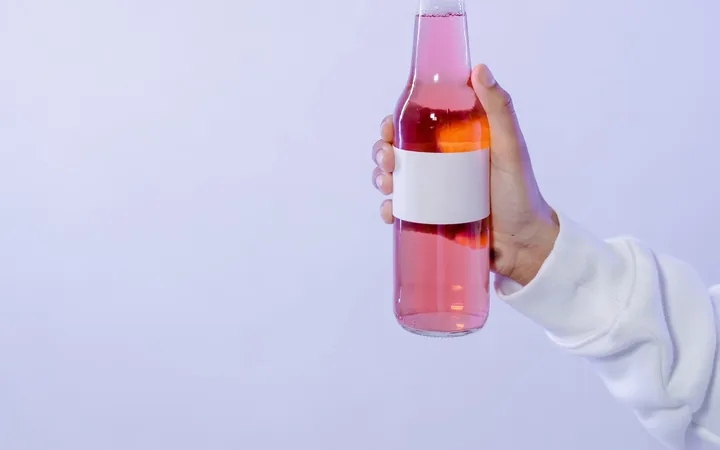
Sign the layout for its wording and dimensions. Use a decorated sample to see whether the same design works on the bottle you will order, wash and put on the table.
Read the article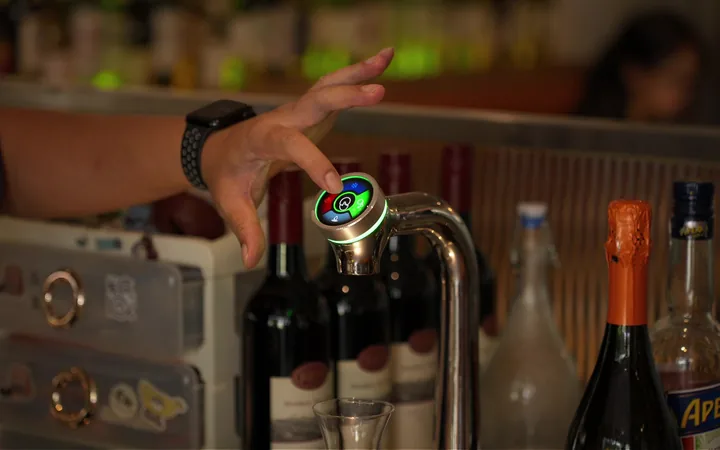
A regulator reading, a bottle test and a sample from the tap answer different questions. Give both suppliers the same sampling and acceptance plan.
Read the article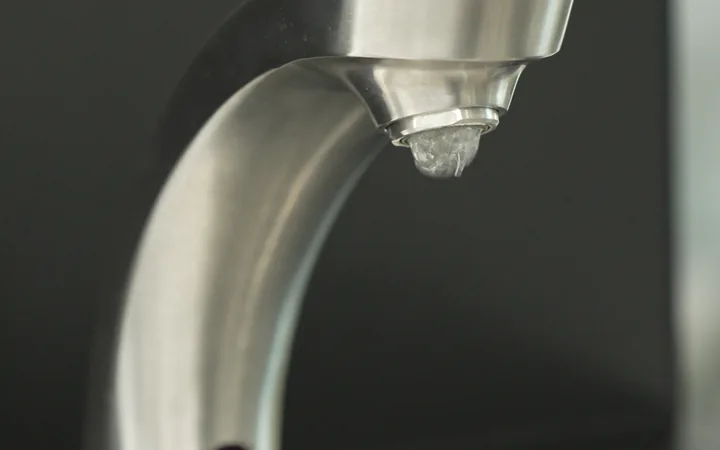
Pilot a real pair of wash stations, count missed and unintended starts separately and keep the settings that produced the result.
Read the article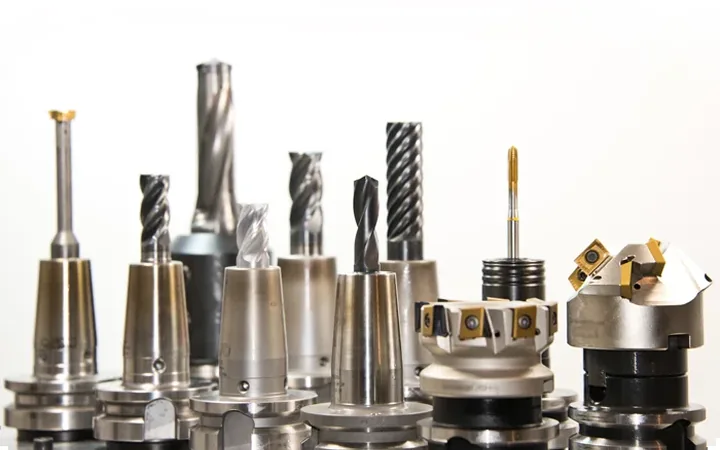
Put both quotes on the same drawing and acceptance criteria. Then compare what each batch costs per usable part and when those parts can ship.
Read the article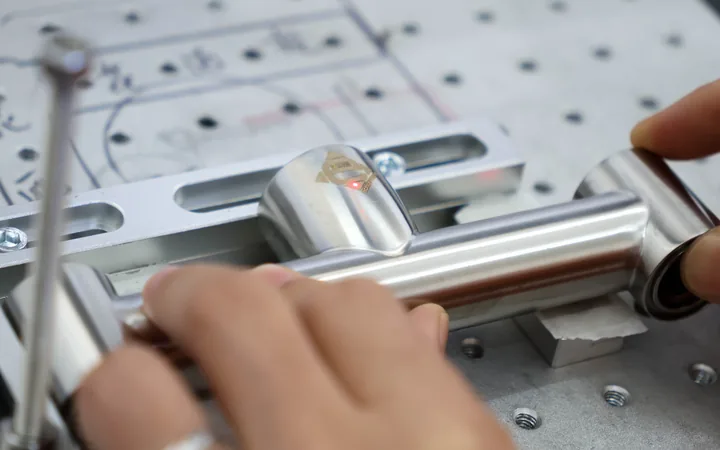
Identify the seal and joint, check what the certification actually covers, and ask for a test record tied to the parts you will receive.
Read the article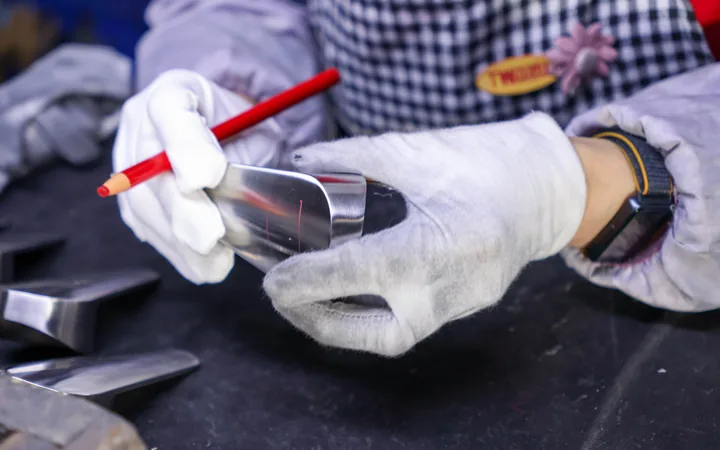
Start with the part on the drawing. Then match the cartons, production lots, heat numbers and inspection certificates before you sign for the material.
Read the article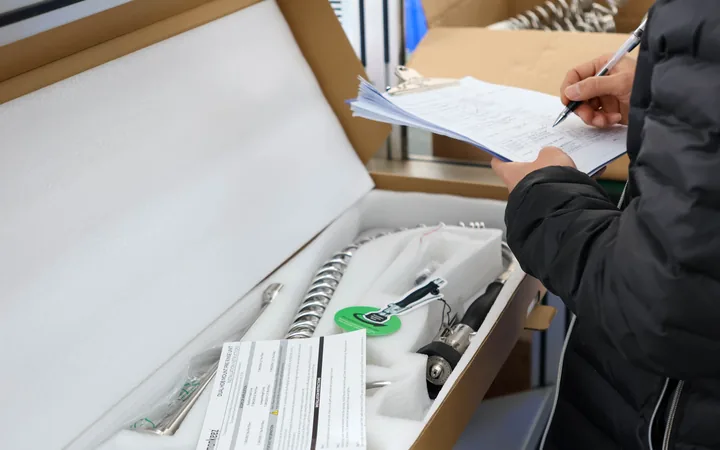
Put a useful label on the station, give every shift the instructions it needs, and record who accepts the work and who can clear the station for use.
Read the article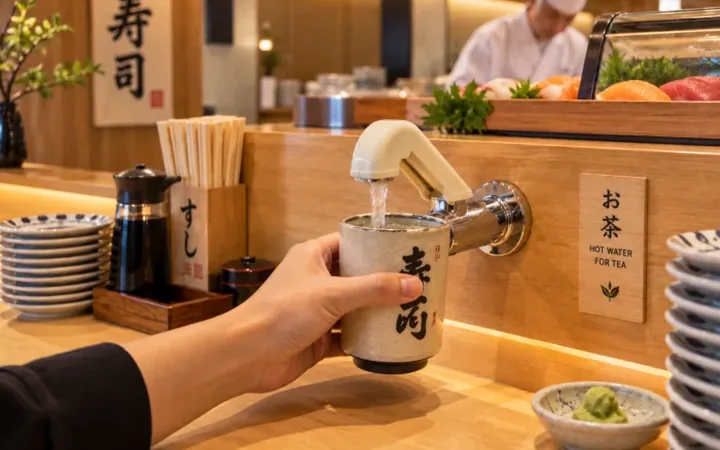
Measure the same draw at the outlet and in the teapot. The pattern across your first, repeated and recovery draws tells you what to check next.
Read the article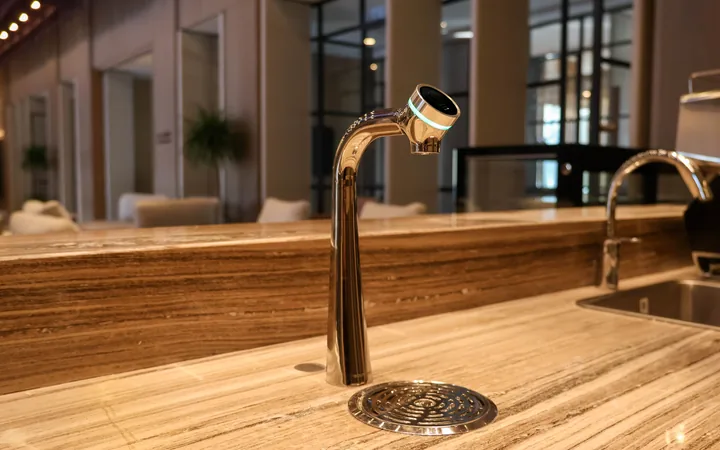
Decide where a guest makes tea after hours, then test the cups, queue and backup before committing to an installation.
Read the article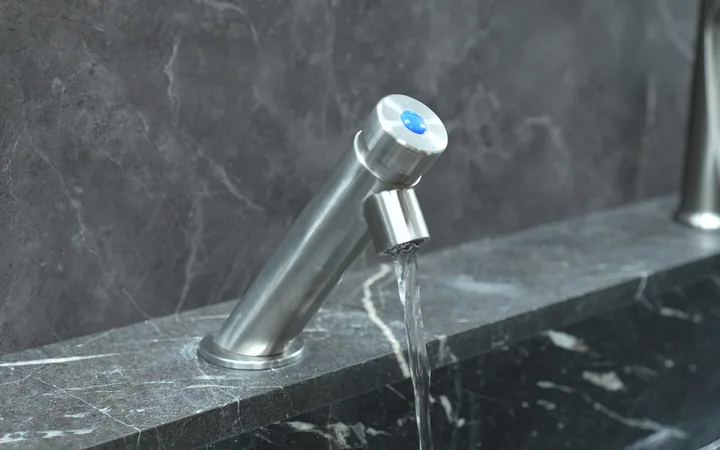
Time one press, collect the whole discharge and try the installed basin as someone would use it. Keep the accessibility check and the product water-use report with that same configuration.
Read the article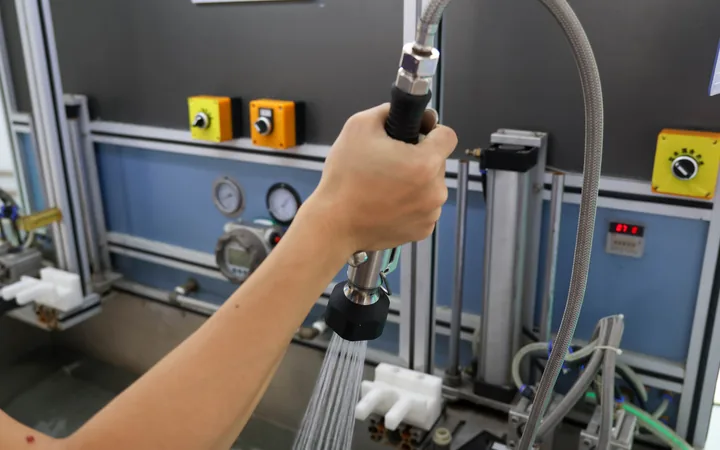
Use a real rack of dishes. Count the extra passes, read the meter and check that the hand spray closes when the operator lets go.
Read the article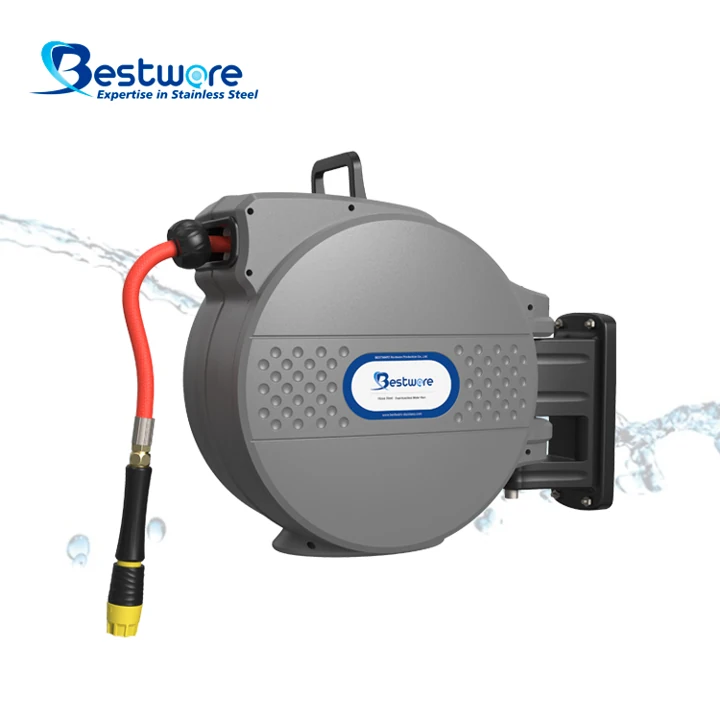
Compare the open HRMO-R1500-NLH and enclosed HRELG-R1500-NLH. Use the actual washdown route and the dimension drawings to check clearance before you drill.
Read the article
Put a visitor’s bottle refill, a diner’s request and an employee’s shift on the same floor plan. Check who can reach each supply when they need it.
Read the article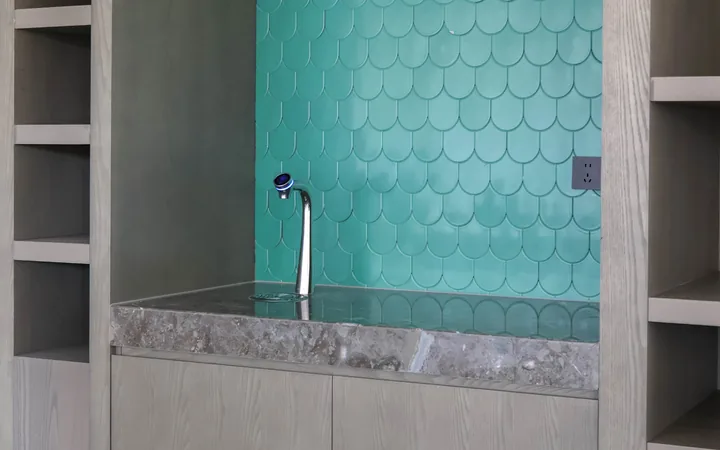
Trace water from the building’s supply to the bar and ice maker. Then walk the finished installation with the people who will look after it.
Read the article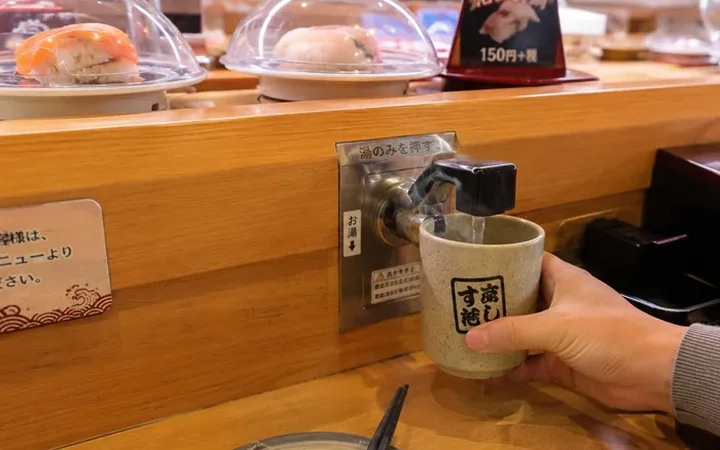
Use the cups the venue serves, check how hot water starts and stops, and leave a record staff can use on the next shift.
Read the article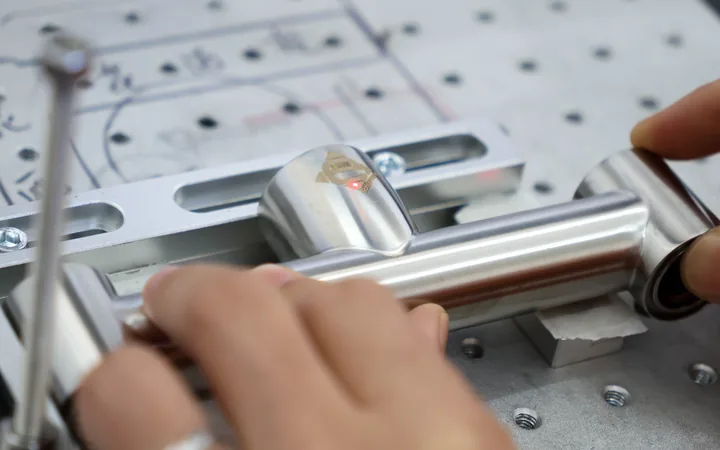
For a French project, match the certificate and its annex to the exact water-contact assembly. Then check the December 2026 cutoff and any component changes before accepting the order.
Read the article
Post the offer where guests can see it, then test how a glass or carafe gets from the order to the table.
Read the article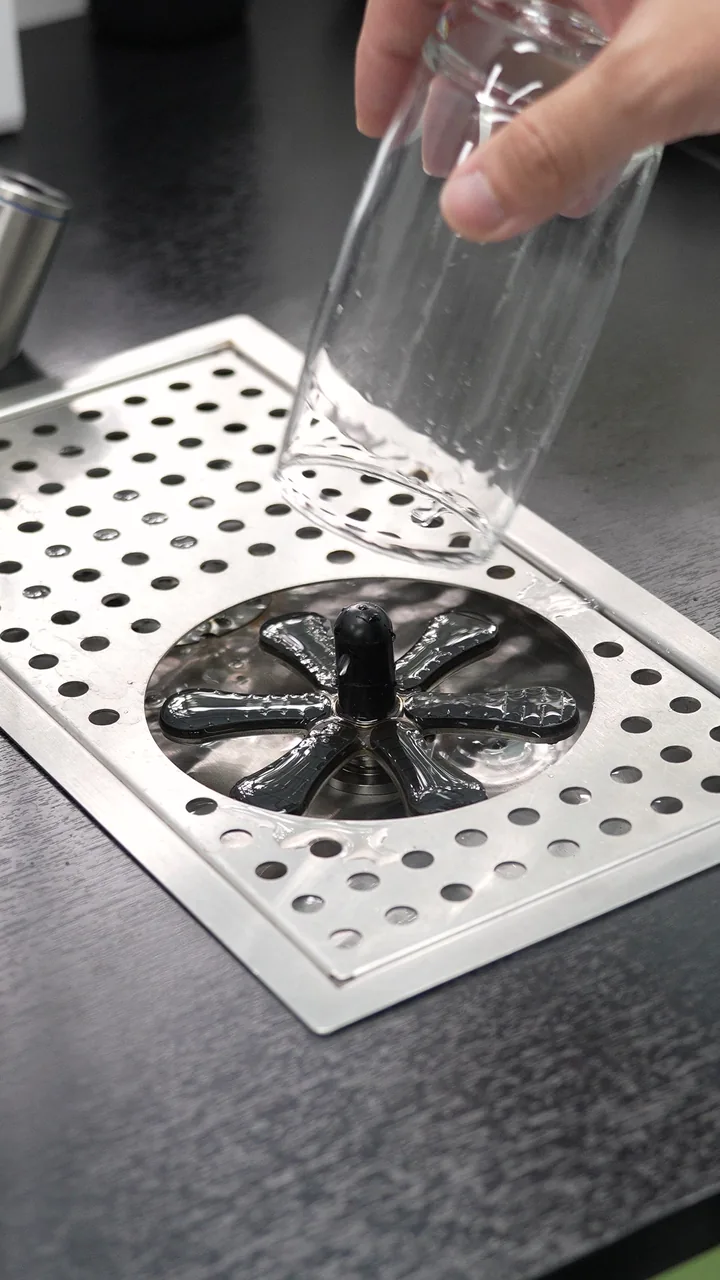
Bring your milk pitcher, narrow glass and shaker to the sample trial. Check how they sit, how much water they use and where the rinse goes.
Read the article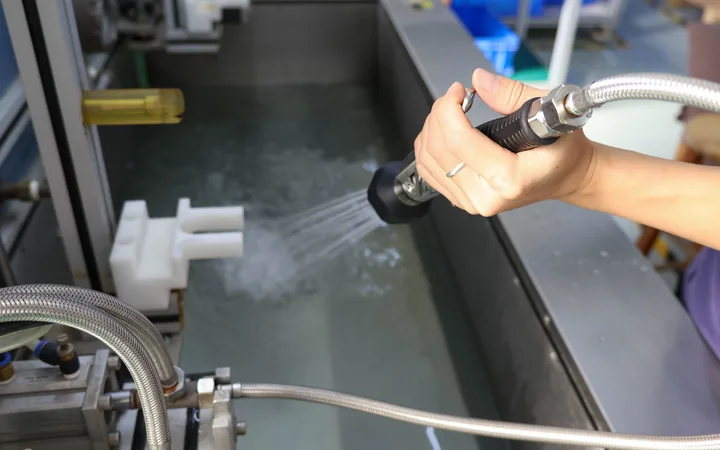
Check the deck and overhead clearance before ordering. At handover, use the truck’s own water supply, the largest pan the crew washes and the actual waste tank.
Read the article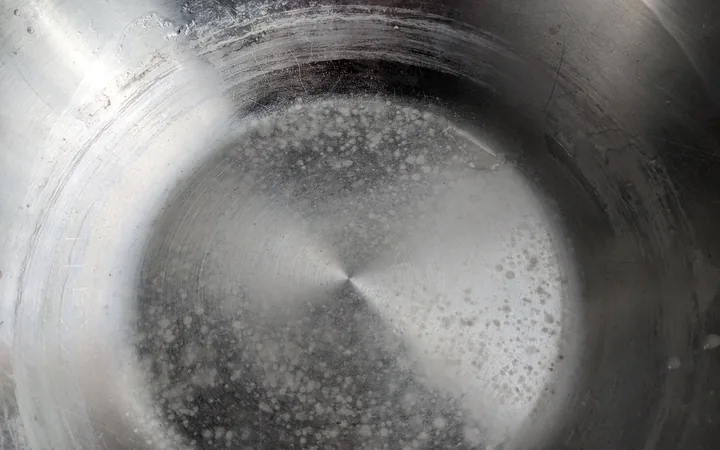
Work out the hardness load between regenerations, then check the pressure at the busiest draw. A restaurant example shows how to compare quotes and test the installed system.
Read the article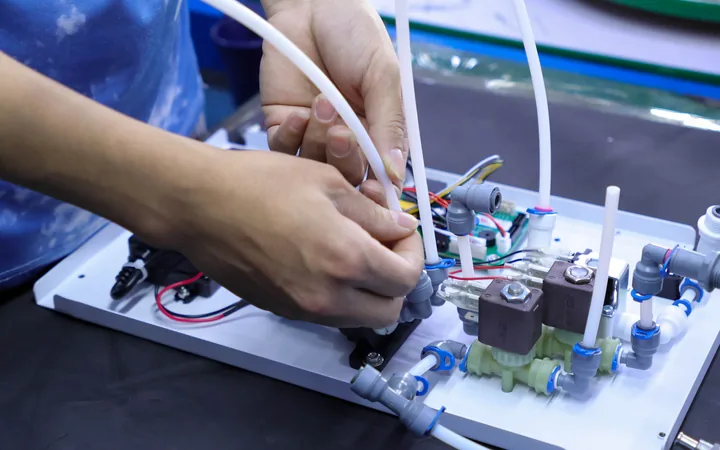
Draw the normal, isolated and standby water paths before servicing a filter or softener. Check which outlets each path can supply and how to put the system back in service.
Read the article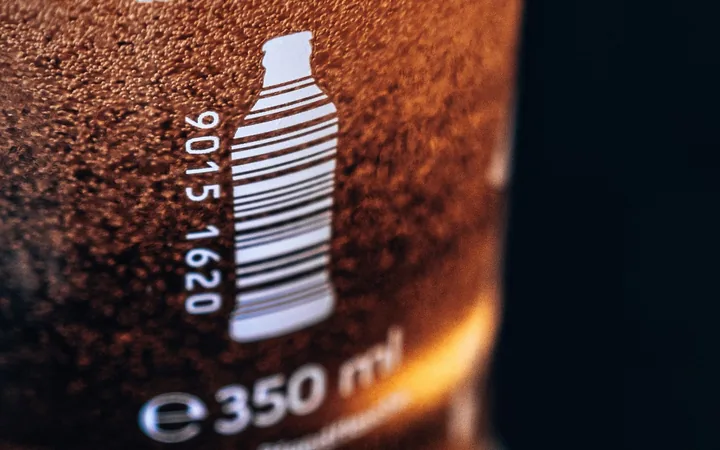
Approve the bottle, the pack a shopper buys and the carton your warehouse receives against the routes you intend to use. Here is where a case-only label stops working.
Read the article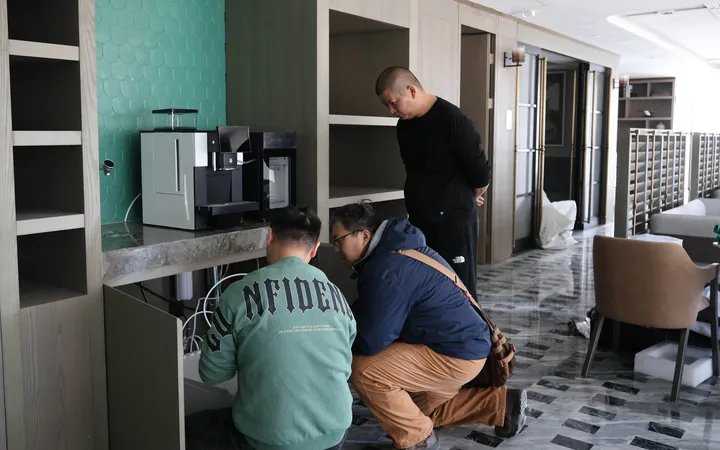
If your sink has a 22 mm hole, the diameter fits the AS112 cutout range. Check the cold supply, the mounting surface and the room underneath before ordering.
Read the article
Keep the serial numbers, pickup receipt and deposit credits together so the next shift and accounts team know exactly which cylinders are still open.
Read the article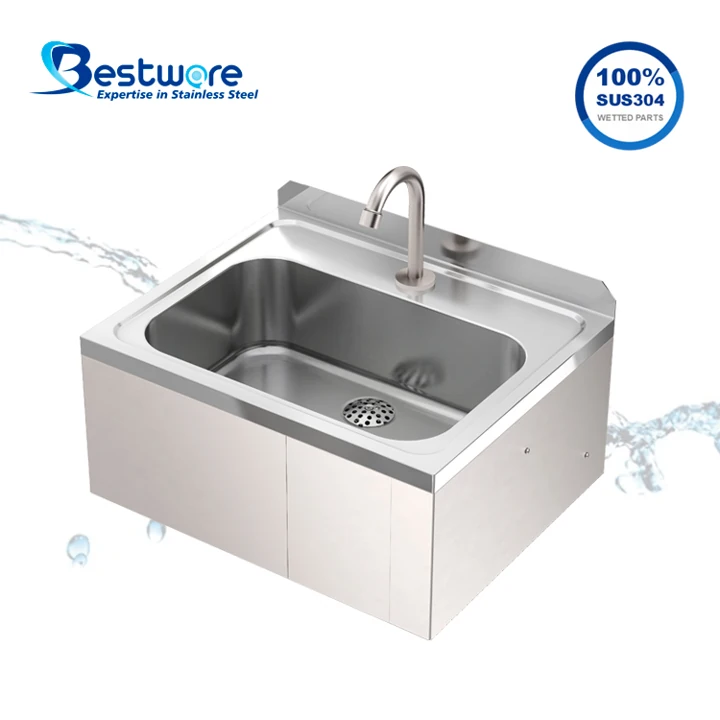
Check the installed basin with the cook line set up for service. Verify which valve arrived, where the water comes from and how the crew will actually wash.
Read the article
Draw routes for departures, arrivals and transfers, then test directions, accessible use and peak demand before choosing how many bottle fillers to install.
Read the article
Walk the shift’s route to the tap, check the heat plan, and work out when a construction site needs a daily water reserve.
Read the article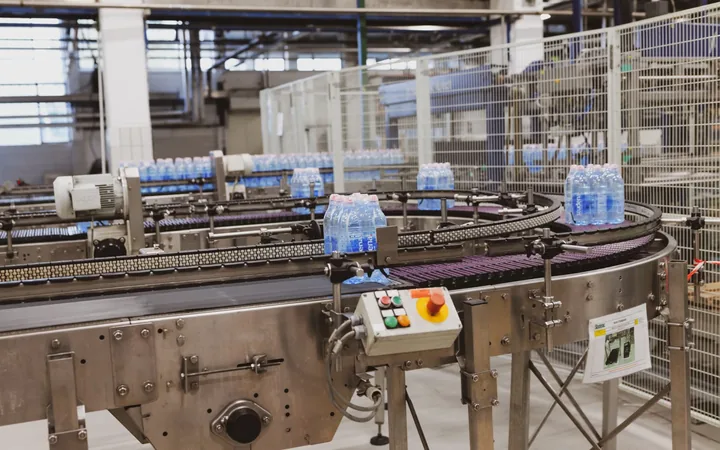
Put a counter at the end of the line. Define the drink, bottle and case, then agree what to count after cleaning, changeovers and product checks.
Read the article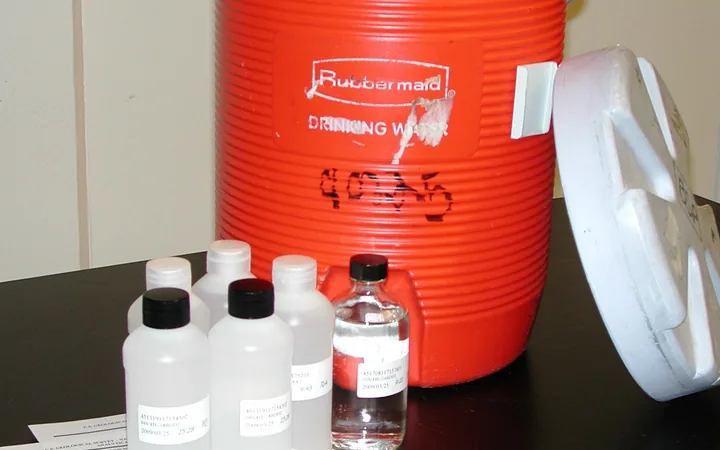
Match the registered WELL version to a fixture map, the test plan and the supplier records that describe what actually went into the building.
Read the articleReading preferences are stored in this tab, or on this device for up to 30 days if you choose “Remember.” Limited preference signals select recommendations without saving a server-side reading history. Signed-in likes and saved articles stay with your account.
FROM RESEARCH TO A WORKING BRIEF
Use a few details from your operation to build a useful starting point. No account is needed for the planning tools.
Create a project summaryNEWS
Developments across water, drinks and the people behind them.
Poland’s November update shows the scale of the deposit system. The mark on the bottle still tells buyers and shops which return route to use.
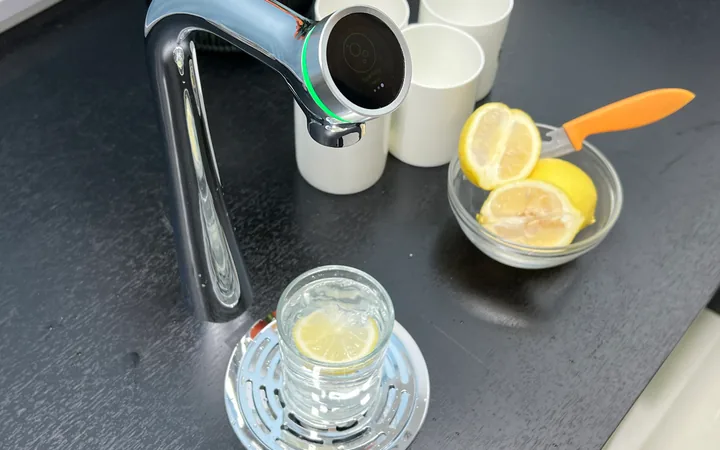
The October 19 release covers 195 samples collected from 2022 to 2025. Here is what the tests and border action mean for a buyer checking one delivery.
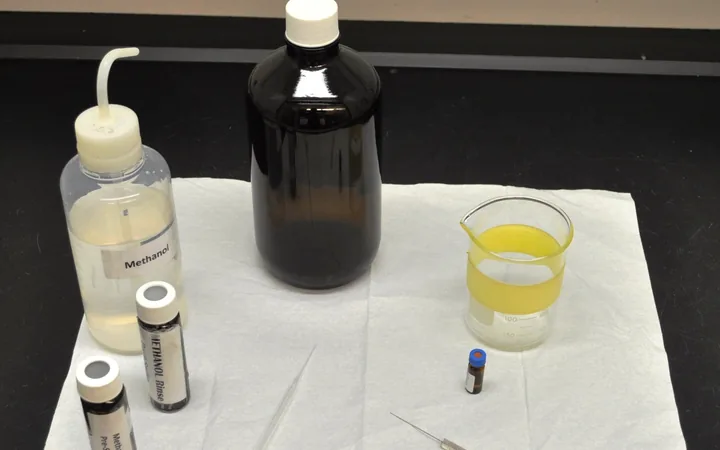
Scientists have measured chloronitramide in small groups of tap-water samples and reported effects in cultured cells. The studies answer different questions. Here is what they mean when you read a water report or a filter claim.
NSF released a way to verify a specific filter claim on October 14, 2026. A purchase still comes down to the listed model, the cartridge in the quote, and what the certification actually covers.
SYSTEMS & SERVICES
Explore configurations, technical information and the team behind Bestware.
